Blog
Items filtered by date: February 2019
Monday, 25 February 2019 00:00
Wounds That Don't Heal Need to Be Checked

Your feet are covered most of the day. If you're diabetic, periodic screening is important for good health. Numbness is often a sign of diabetic foot and can mask a sore or wound.
Monday, 25 February 2019 00:00
The Feet May Change as We Age
 There are many people that experience unwanted foot conditions as the aging process occurs. This may be a result of poor circulation or a loss of cushioning. It is important to wear shoes that fit properly and are comfortable, and it may be beneficial to measure your feet regularly, which may ensure a correct fit. Circulation may be improved by performing specific foot stretches, in addition to walking frequently during the day. Some of the typical foot ailments that many seniors face may include athlete’s foot, corns and calluses, or dry skin. Diabetic patients may need to check their feet daily for any cuts or bruises that may be present. If these should go unnoticed, complications may arise as a result of the inability to heal properly. If you would like additional information about how to care for elderly feet, it is suggested to speak to a podiatrist who can properly guide you.
If you need your feet checked, contact one of our podiatrists of Romeo Foot & Ankle Clinic. Our doctors will attend to all of your foot and ankle needs and provide you with quality treatment.
Geriatrics and Podiatry
When people age, some common issues that may occur are bone density loss, dry skin, poor circulation, and rough brittle nails. These issues may also affect your foot health if the necessary steps are not taken to alleviate the problems.
It is important to take care of your feet because feet that are injured or diseased can affect your overall health. Having painful feet hinders your ability to do daily activities or may decrease your willingness to do the things that you need to do.
Visiting Your Geriatrician
As we age, health problems become more likely, so it is essential to visit your doctor for check-ups to ensure that you are doing the best you can to take care of your health. It is recommended to check your feet frequently for any possible cuts, bruises, swelling, corns or any other irregularities.
Taking Care of Elderly Feet
Cracked or dry feet can be treated by applying moisturizer often. It is also important not to wear old socks because the older the sock is, the higher the possibility there will be that there is bacteria there. Wear fresh socks and make sure they fit properly.
Proper foot health means that you can have a more active lifestyle and you will not be bogged down by pain. Foot health also leads to good circulation, which is paramount for overall health.
If you have any questions, please feel free to contact our offices located in Washington and Shelby Townships, MI . We offer the newest diagnostic tools and technology to treat your foot and ankle needs.
Monday, 18 February 2019 00:00
What Causes Gout?
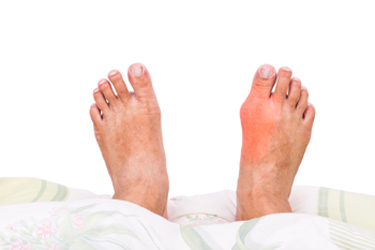 The medical term that is referred to as gout is considered to be a form of arthritis. Patients who develop this condition may often experience severe pain and discomfort in the big toe and surrounding areas, in addition to redness and swelling. Research has shown it may be caused by elevated uric acid levels in the blood, and this may be a result of eating foods that have large amounts of purines. These foods may include red meat, shellfish, and foods or drinks that are high in fructose. There are noticeable symptoms that are associated with gout, including stiffness in the affected joint, severe pain, and swelling. It may be possible to limit the occurrences of gout, and this may be accomplished by implementing lifestyle changes that may help to lower uric acid levels. Eating healthy foods and practicing a gentle exercise regime may help in maintaining a correct weight, which may be beneficial in possibly preventing gout attacks. If you are afflicted with gout, it is suggested to speak to a podiatrist who can properly treat this condition.
Gout is a painful condition that can be treated. If you are seeking treatment, contact one of our podiatrists from Romeo Foot & Ankle Clinic. Our doctors will treat your foot and ankle needs.
What Is Gout?
Gout is a form of arthritis that is characterized by sudden, severe attacks of pain, redness, and tenderness in the joints. The condition usually affects the joint at the base of the big toe. A gout attack can occur at any random time, such as the middle of the night while you are asleep.
Symptoms
- Intense Joint Pain - Usually around the large joint of your big toe, and it most severe within the first four to twelve hours
- Lingering Discomfort - Joint discomfort may last from a few days to a few weeks
- Inflammation and Redness -Affected joints may become swollen, tender, warm and red
- Limited Range of Motion - May experience a decrease in joint mobility
Risk Factors
- Genetics - If family members have gout, you’re more likely to have it
- Medications - Diuretic medications can raise uric acid levels
- Gender/Age - Gout is more common in men until the age of 60. It is believed that estrogen protects women until that point
- Diet - Eating red meat and shellfish increases your risk
- Alcohol - Having more than two alcoholic drinks per day increases your risk
- Obesity - Obese people are at a higher risk for gout
Prior to visiting your podiatrist to receive treatment for gout, there are a few things you should do beforehand. If you have gout you should write down your symptoms--including when they started and how often you experience them, important medical information you may have, and any questions you may have. Writing down these three things will help your podiatrist in assessing your specific situation so that he or she may provide the best route of treatment for you.
If you have any questions, please feel free to contact our offices located in Washington and Shelby Townships, MI . We offer the newest diagnostic and treatment technologies for all your foot care needs.
Monday, 11 February 2019 00:00
It's Time for Beautiful Feet

You don't need an excuse to have beautiful nails. Step outside without worrying about the appearance of your feet.
Monday, 11 February 2019 00:00
Wound Care for People with Diabetes
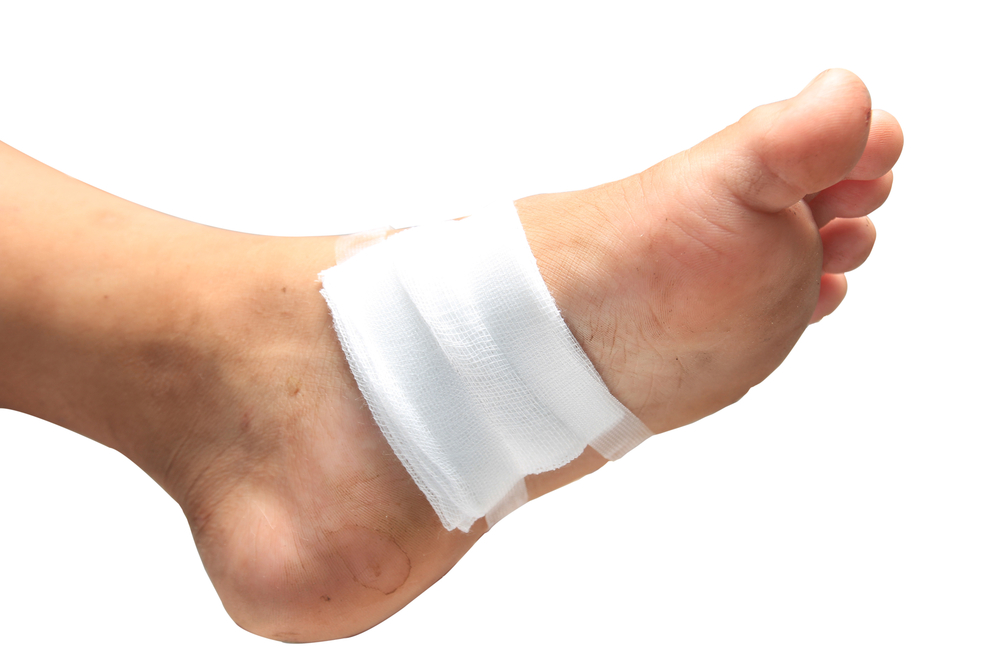 In most cases, small lacerations on the feet naturally heal without any complications. Unfortunately, this is not true for those who suffer from diabetes. Foot ulcers are a common problem for those with diabetes, because diabetic neuropathy affects their ability to feel these wounds. Diabetic neuropathy occurs as a result of nerve damage and causes numbness and pain in the hands and feet. Therefore, people with diabetes may not feel an ulcer, which will lead to it not being treated. Some signs of an ulcer are drainage, redness, swelling, and odor. An ulcer that is left untreated will worsen and black tissue called eschar might form. When tissue death occurs because of infection this is called gangrene. Both symptoms can be life-threatening and should be taken very seriously. Those with diabetes should perform daily foot checks to ensure that no ulcers have formed. If you have diabetes and would like more information about how to properly care for your feet, it is recommended you consult with a podiatrist.
Wound care is an important part in dealing with diabetes. If you have diabetes and a foot wound or would like more information about wound care for diabetics, consult with one of our podiatrists from Romeo Foot & Ankle Clinic. Our doctors will assess your condition and provide you with quality foot and ankle treatment.
What Is Wound Care?
Wound care is the practice of taking proper care of a wound. This can range from the smallest to the largest of wounds. While everyone can benefit from proper wound care, it is much more important for diabetics. Diabetics often suffer from poor blood circulation which causes wounds to heal much slower than they would in a non-diabetic.
What Is the Importance of Wound Care?
While it may not seem apparent with small ulcers on the foot, for diabetics, any size ulcer can become infected. Diabetics often also suffer from neuropathy, or nerve loss. This means they might not even feel when they have an ulcer on their foot. If the wound becomes severely infected, amputation may be necessary. Therefore, it is of the upmost importance to properly care for any and all foot wounds.
How to Care for Wounds
The best way to care for foot wounds is to prevent them. For diabetics, this means daily inspections of the feet for any signs of abnormalities or ulcers. It is also recommended to see a podiatrist several times a year for a foot inspection. If you do have an ulcer, run the wound under water to clear dirt from the wound; then apply antibiotic ointment to the wound and cover with a bandage. Bandages should be changed daily and keeping pressure off the wound is smart. It is advised to see a podiatrist, who can keep an eye on it.
If you have any questions, please feel free to contact our offices located in Washington and Shelby Townships, MI . We offer the newest diagnostic and treatment technologies for all your foot care needs.
Monday, 04 February 2019 00:00
Stretching the Feet May Aid in Foot Balance
 There are many people who stand or walk for the majority of the day, in addition to people who spend time behind a desk. There are benefits to frequently stretching the feet on a daily basis, regardless of how the day is spent. The feet will generally feel better when the toes, ankles, and arches are stretched, and certain foot conditions may be prevented as a result of proper stretching techniques that are performed. The structure of the foot is balanced and this may aid in having pain-free movements in the foot. If this balance is disturbed by having muscles that are too tight or weak, heel pain that may be indicative of plantar fasciitis may develop, or spasms may occur. An effective stretch includes pointing and flexing the foot, which may aid in loosening hamstring muscles, and adding strength to the ankles and heels. If you would like additional information about the benefits of stretching the feet, it is suggested to consult with a podiatrist.
Stretching the feet is a great way to prevent injuries. If you have any concerns with your feet consult with one of our podiatrists from Romeo Foot & Ankle Clinic. Our doctors will assess your condition and provide you with quality foot and ankle treatment.
Stretching the Feet
Stretching the muscles in the foot is an important part in any physical activity. Feet that are tight can lead to less flexibility and make you more prone to injury. One of the most common forms of foot pain, plantar fasciitis, can be stretched out to help ease the pain. Stretching can not only ease pain from plantar fasciitis but also prevent it as well. However, it is important to see a podiatrist first if stretching is right for you. Podiatrists can also recommend other ways to stretch your feet. Once you know whether stretching is right for you, here are some excellent stretches you can do.
- Using a foam roller or any cylindrical object (a water bottle or soda can will do), roll the object under your foot back and forth. You should also exert pressure on the object. Be sure to do this to both feet for a minute. Do this exercise three times each.
- Similar to the previous one, take a ball, such as a tennis ball, and roll it under your foot while seated and exert pressure on it.
- Grab a resistance band or towel and take a seat. If you are using a towel, fold it length wise. Next put either one between the ball of your foot and heel and pull with both hands on each side towards you. Hold this for 15 seconds and then switch feet. Do this three times for each foot.
- Finally hold your big toe while crossing one leg over the other. Pull the toe towards you and hold for 15 seconds. Once again do this three times per foot.
It is best to go easy when first stretching your foot and work your way up. If your foot starts hurting, stop exercising and ice and rest the foot. It is advised to then see a podiatrist for help.
If you have any questions, please feel free to contact our offices located in Washington and Shelby Townships, MI . We offer the newest diagnostic and treatment technologies for all your foot care needs.
Blog Archives
- July 2024
- June 2024
- May 2024
- April 2024
- March 2024
- February 2024
- January 2024
- December 2023
- November 2023
- October 2023
- September 2023
- August 2023
- July 2023
- June 2023
- May 2023
- April 2023
- March 2023
- February 2023
- January 2023
- December 2022
- November 2022
- October 2022
- September 2022
- August 2022
- July 2022
- June 2022
- May 2022
- April 2022
- March 2022
- February 2022
- January 2022
- December 2021
- November 2021
- October 2021
- September 2021
- August 2021
- July 2021
- June 2021
- May 2021
- April 2021
- March 2021
- February 2021
- January 2021
- December 2020
- November 2020
- October 2020
- September 2020
- August 2020
- July 2020
- June 2020
- May 2020
- April 2020
- March 2020
- February 2020
- January 2020
- December 2019
- November 2019
- October 2019
- September 2019
- August 2019
- July 2019
- June 2019
- May 2019
- April 2019
- March 2019
- February 2019
- January 2019
- December 2018
- November 2018
- October 2018
- September 2018
- August 2018
- July 2018
- June 2018
- May 2018
