Blog
Items filtered by date: August 2018
Monday, 27 August 2018 00:00
Children Who Are Prone to Develop Sever’s Disease
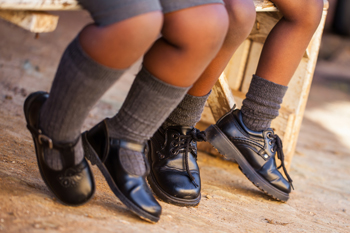 If your physically active child complains of heel pain, it may be a result of a condition referred as Sever’s disease. It is generally caused by excessive strain put on the growth plate of the heel, and typically affects children who are young adolescents. There are several symptoms that may be associated with Sever’s disease, including swollen heels, difficulty while walking, and tenderness in the foot and heel. The child may experience general pain and discomfort and it’s suggested to cease the activity that caused this condition while the healing takes places. Despite the fact that this ailment may be prevalent in physically active children, research has shown there may be additional factors in the development of Sever’s disease. These may include wearing shoes that do not fit correctly, obesity, or having flat or high arches. If you feel your child may have this affliction, please schedule a consultation with a podiatrist who will determine the best course of treatment as quickly as possible.
Sever's disease often occurs in children and teens. If your child is experiencing foot or ankle pain, see one of our podiatrists from Romeo Foot & Ankle Clinic. Our doctors can treat your child’s foot and ankle needs.
Sever’s Disease
Sever’s disease is also known as calcaneal apophysitis, which is a medical condition that causes heel pain I none or both feet. The disease is known to affect children between the ages of 8 and 14.
Sever’s disease occurs when part of the child’s heel known as the growth plate (calcaneal epiphysis) is attached to the Achilles tendon. This area can suffer injury when the muscles and tendons of the growing foot do not keep pace with bone growth. Therefore, the constant pain which one experiences at the back of the heel will make the child unable to put any weight on the heel. The child is then forced to walk on their toes.
Symptoms
Acute pain – Pain associated with Sever’s disease is usually felt in the heel when the child engages in physical activity such as walking, jumping and or running.
Highly active – Children who are very active are among the most susceptible in experiencing Sever’s disease, because of the stress and tension placed on their feet.
If you have any questions, please feel free to contact our offices located in Washington and Shelby Townships, MI . We offer the newest diagnostic and treatment technologies for all your foot and ankle injuries.

Monday, 20 August 2018 00:00
What May Be Causing Your Cracked Heels
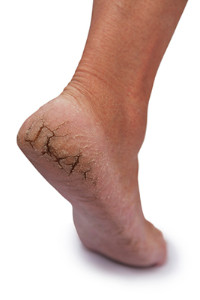 According to a survey, “20 percent of adults in the United States experience cracked skin on their feet.” Cracked heels are the result of an insufficient amount of moisture on the feet. In severe cases, cracks can eventually become sore and start to bleed. There are many reasons why a person’s feet may begin to dry out. Although more obvious causes for dry skin are cold weather or dehydration, many may not know that taking hot baths and hot showers can cause your skin to dry out. If your cracked heels are caused by an underlying medical condition, it is important that you do not treat them on your own. You may need the help of a podiatrist to treat your dry skin, regardless of your medical history. He or she will be able to recommend the best treatment option for you based on your consultation.
If the skin on your feet starts to crack, you may want to see a podiatrist to find treatment. If you have any concerns, contact one of our podiatrists from Romeo Foot & Ankle Clinic. Our doctors can provide the care you need to keep you pain-free and on your feet.
Cracked Heels
It is important to moisturize your cracked heels in order to prevent pain, bleeding, and infection. The reason cracked heels form is because the skin on the foot is too dry to support the immense pressure placed on them. When the foot expands, the dry skin on the foot begins to split.
Ways to Help Heal Them
- Invest in a good foot cream
- Try Using Petroleum Jelly
- Ease up on Soaps
- Drink Plenty of Water
Ways to Prevent Cracked Heels
- Moisturize After Showering
- Skip a Shower
- Keep Shower Water Lukewarm
- Don’t Scrub Your Feet
If you are unsure how to proceed in treating cracked heels, seek guidance from a podiatrist. Your doctor will help you with any questions or information you may need.
If you have any questions, please feel free to contact our offices located in Washington and Shelby Townships, MI . We offer the newest diagnostic and treatment technologies for all your foot care needs.
Monday, 13 August 2018 00:00
Wounds That Don't Heal Need to Be Checked

Your feet are covered most of the day. If you're diabetic, periodic screening is important for good health. Numbness is often a sign of diabetic foot and can mask a sore or wound.
Monday, 13 August 2018 00:00
How to Practice Proper Foot Care
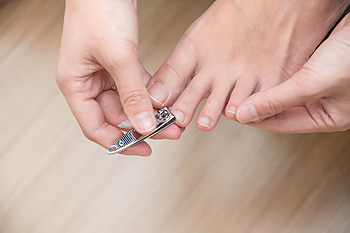 You should always take care of your feet to make sure they stay at their best. If you are looking for ways to practice proper foot care, you should start with washing your feet every day in warm water. When you are finished washing your feet, you should carefully dry them and make sure the spaces between your toes are dry as well. Additionally, you should check your feet every day to see if there are any sores, blisters, or cuts on your feet. Trimming your toenails is another important step in foot care. When you cut your nails, be sure to cut them straight across instead of in a rounded shape. If you find it difficult to trim your nails or need guidance on how to properly care for your feet, an appointment with your podiatrist can help.
Everyday foot care is very important to prevent infection and other foot ailments. If you need your feet checked, contact one of our podiatrists from Romeo Foot & Ankle Clinic. Our doctors can provide the care you need to keep you pain-free and on your feet.
Everyday Foot Care
Often, people take care of their bodies, face and hair more so than they do for their feet. But the feet are a very important aspect of our bodies, and one that we should pay more attention to. Without our feet, we would not be able to perform most daily tasks.
It is best to check your feet regularly to make sure there are no new bruises or cuts that you may not have noticed before. For dry feet, moisturizer can easily be a remedy and can be applied as often as necessary to the affected areas. Wearing shoes that fit well can also help you maintain good foot health, as well as making it easier to walk and do daily activities without the stress or pain of ill-fitting shoes, high heels, or even flip flops. Wearing clean socks with closed shoes is important to ensure that sweat and bacteria do not accumulate within the shoe. Clean socks help to prevent Athlete’s foot, fungi problems, bad odors, and can absorb sweat.
If you have any questions please feel free to contact our offices located in Washington and Shelby Townships, MI . We offer the newest diagnostic and treatment technologies for all your foot and ankle needs.
Monday, 06 August 2018 00:00
Children and Plantar Warts
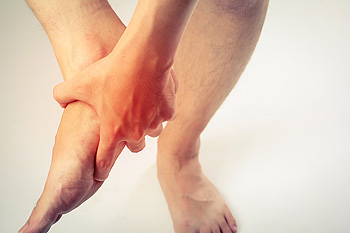 If you find that your child complains of pain in the heel area of the foot, you may want to see if a plantar wart is present. A wart that develops and grows on the heel of the foot is referred to as a plantar wart. Despite the fact that it is known to be a harmless skin growth, it may generate severe pain and discomfort while walking. While many types of warts are visible on other parts of the body, a plantar wart grows inward as a result of the pressure the heel endures while walking, and may be difficult to notice. It is generally contagious, and may easily spread to other parts of the body. It’s suggested that your child refrains from sharing towels in addition to wearing protective shoes in public pools and shower areas. If your child develops a fever or if you notice liquid that drains from the wart, it’s advised to consult with a podiatrist as quickly as possible to learn about correct treatment options.
Plantar warts can be very uncomfortable. If you need your feet checked, contact one of our podiatrists from Romeo Foot & Ankle Clinic. Our doctors will assist you with all of your foot and ankle needs.
About Plantar Warts
Plantar warts are the result of HPV, or human papillomavirus, getting into open wounds on the feet. They are mostly found on the heels or balls of the feet.
While plantar warts are generally harmless, those experiencing excessive pain or those suffering from diabetes or a compromised immune system require immediate medical care. Plantar warts are easily diagnosed, usually through scraping off a bit of rough skin or by getting a biopsy.
Symptoms
- Lesions on the bottom of your feet, usually rough and grainy
- Hard or thick callused spots
- Wart seeds, which are small clotted blood vessels that look like little black spots
- Pain, discomfort, or tenderness of your feet when walking or standing
Treatment
- Freezing
- Electric tool removal
- Laser Treatment
- Topical Creams (prescription only)
- Over-the-counter medications
To help prevent developing plantar warts, avoid walking barefoot over abrasive surfaces that can cause cuts or wounds for HPV to get into. Avoiding direct contact with other warts, as well as not picking or rubbing existing warts, can help prevent the further spread of plantar warts. However, if you think you have developed plantar warts, speak to your podiatrist. He or she can diagnose the warts on your feet and recommend the appropriate treatment options.
If you have any questions please feel free to contact our offices located in Washington and Shelby Townships, MI . We offer the newest diagnostic and treatment technologies for all your foot and ankle needs.
Blog Archives
- October 2024
- September 2024
- August 2024
- July 2024
- June 2024
- May 2024
- April 2024
- March 2024
- February 2024
- January 2024
- December 2023
- November 2023
- October 2023
- September 2023
- August 2023
- July 2023
- June 2023
- May 2023
- April 2023
- March 2023
- February 2023
- January 2023
- December 2022
- November 2022
- October 2022
- September 2022
- August 2022
- July 2022
- June 2022
- May 2022
- April 2022
- March 2022
- February 2022
- January 2022
- December 2021
- November 2021
- October 2021
- September 2021
- August 2021
- July 2021
- June 2021
- May 2021
- April 2021
- March 2021
- February 2021
- January 2021
- December 2020
- November 2020
- October 2020
- September 2020
- August 2020
- July 2020
- June 2020
- May 2020
- April 2020
- March 2020
- February 2020
- January 2020
- December 2019
- November 2019
- October 2019
- September 2019
- August 2019
- July 2019
- June 2019
- May 2019
- April 2019
- March 2019
- February 2019
- January 2019
- December 2018
- November 2018
- October 2018
- September 2018
- August 2018
- July 2018
- June 2018
- May 2018
