
If you are suffering from tenderness, pain, or stiffness in the joints of your feet or ankles, call us to schedule an appointment.
If you are suffering from tenderness, pain, or stiffness in the joints of your feet or ankles, call us to schedule an appointment.

Proper shoe fit plays an important role in keeping the feet comfortable and reducing the risk of developing problems. Wearing shoes that are too narrow or tight can place unnecessary pressure on the feet. A well-fitting shoe should match the natural shape of the foot rather than forcing the foot into an uncomfortable position. Shoe sizes can vary between brands and styles, so the number printed inside a shoe does not always determine whether it fits correctly. Both feet should also be measured because one foot may be larger than the other. Choosing footwear based on the larger foot can provide a more comfortable fit.
Several features can help determine whether footwear fits and functions properly. Stability is important because the foot should not roll or twist too easily inside the shoe. Cushioning can help absorb shock, while proper support allows the bottom of the foot to sit comfortably against the footbed. There should also be enough space between the longest toe and the end of the shoe. Foot shape matters as well. Someone with a wide or square-shaped foot may need a different fit than someone with a long or narrow foot shape. Shoes should feel comfortable when first worn rather than relying on them to become comfortable later.
A podiatrist can evaluate foot structure and identify problems that may make finding properly fitting shoes more difficult. Foot type can affect footwear needs, especially when the foot is either particularly flexible or rigid. A podiatrist can also assess areas of pressure and determine whether additional support may be appropriate. In some cases, an orthotic device or custom insole may help the foot sit more securely against the shoe’s footbed. Proper footwear can support foot comfort and healthy movement throughout daily activities. If poorly fitting shoes are contributing to ongoing foot pain or discomfort, it is suggested that you consult a podiatrist for an evaluation and appropriate footwear recommendations.
Getting the right shoe size is an important part of proper foot health. Seek the assistance of one of our podiatrists from Romeo Foot & Ankle Clinic. Our doctors will provide the care you need to keep you pain-free and on your feet.
Getting the Right Shoe Size
There are many people who wear shoes that are the incorrect size, negatively affecting their feet and posture. Selecting the right shoes is not a difficult process, so long as you keep several things in mind when it comes to choosing the right pair.
As our feet hold our body weight and keep us moving, it is important to treat them right. Picking the right pair of shoes can provide your feet comfort and mobility without pain.
If you have any questions, please feel free to contact our offices located in Washington and Shelby Townships, MI . We offer the newest diagnostic and treatment technologies for all your foot care needs.

A lump on the toe can develop for many reasons and may appear on the top, bottom, or side of the toe. The lump may feel hard, soft, or tender, depending on its cause. Some bumps are painless and remain small, while others can become painful while walking or wearing shoes. Common causes include bunions, tailor's bunions, and other structural changes.
A bunion is a common source of a noticeable bump near the base of the big toe. It develops when the big toe gradually shifts toward the smaller toes while the joint moves outward. A tailor's bunion, also called a bunionette, develops near the base of the little toe, and can create a bump along the outside of the foot. Hallux rigidus is another possible cause of a hard bump near the big toe joint. This condition involves arthritis and stiffness of the joint, which can make bending the big toe painful or difficult. Symptoms may include redness, swelling, and discomfort when shoes press against the affected area.
Several factors can increase the likelihood of developing lumps on the toes. Genetics and inherited foot structure may contribute to bunions and other alignment problems. Shoes with a narrow toe box can place repeated pressure on the toes and may worsen existing deformities. Arthritis, abnormal foot mechanics, and prolonged standing can also contribute. People who develop recurring corns or calluses may notice thickened areas that feel like lumps.
A podiatrist can examine a toe lump and determine whether it is related to bone alignment, joint changes, pressure, skin thickening, or another condition. The evaluation may include checking the location, joint movement, and overall foot structure. If you have a hard, soft, or growing lump on your toe, it is suggested that you consult a podiatrist for an accurate diagnosis and appropriate treatment.
Toe pain can disrupt your daily activities. If you have any concerns, contact one of our podiatrists of Romeo Foot & Ankle Clinic. Our doctors can provide the care you need to keep you pain-free and on your feet.
What Causes Toe Pain?
Most severe toe pain is caused due to a sports injury, trauma from dropping something heavy on the toe, or bumping into something rigid. Other problems can develop over time for various reasons.
Toe pain can be caused by one or more ailments. The most common include:
When to See a Podiatrist
Diagnosis
In many cases the cause of toe pain is obvious, but in others, a podiatrist may want to use more advanced methods to determine the problem. These can range from simple visual inspections and sensation tests to X-rays and MRI scans. Prior medical history, family medical history, and any recent physical traumatic events will all be taken into consideration for a proper diagnosis.
Treatment
Treatments for toe pain and injuries vary and may include shoe inserts, padding, taping, medicines, injections, and in some cases, surgery. If you believe that you have broken a toe, please see a podiatrist as soon as possible.
If you have any questions please contact our offices located in Washington and Shelby Townships, MI . We offer the newest diagnostic and treatment technologies for all your foot and ankle needs.
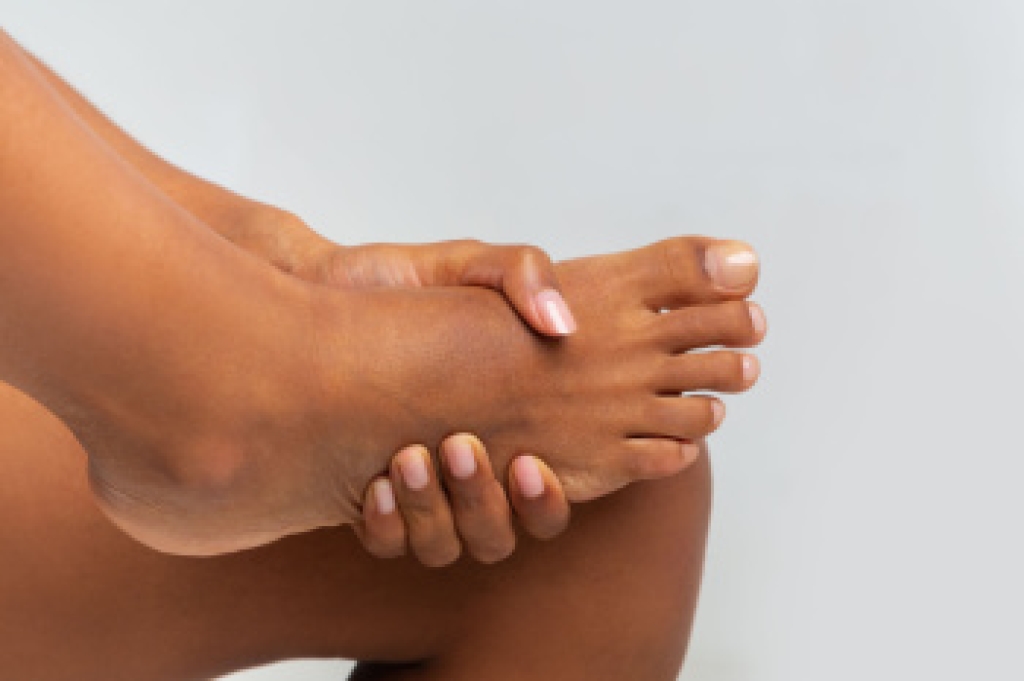
Foot pain can affect everyday activities, like walking at work and standing for long periods. The feet contain many bones, joints, and soft tissues that work together to support the body and absorb pressure with each step. Discomfort can develop from injuries, repeated stress, or changes in foot structure. Common causes include plantar fasciitis, arthritis, and bunions. Pain may affect the heel, toes, or another area depending on the underlying problem. Some conditions develop gradually, while others begin after an injury. Persistent foot pain should be evaluated rather than dismissed, especially when it begins to interfere with normal movement.
The type of foot pain a person experiences can provide clues about its cause. Heel pain may be related to irritation of the tissue supporting the arch, while pain near the big toe can occur with a bunion or arthritis. Nerve problems may cause burning, numbness, or tingling. Foot discomfort can also change the way a person walks. Shifting weight away from a painful area may place additional pressure on other parts of the foot or ankle. Swelling, worsening pain, or difficulty bearing weight can indicate a problem that needs professional attention. An accurate diagnosis helps determine which structures are involved and what treatment may be appropriate.
A podiatrist can evaluate foot pain and identify conditions affecting everyday comfort and mobility. During an examination, the podiatrist may assess foot structure, joint movement, and areas of tenderness. Imaging may be recommended when a bone or joint problem is suspected. Podiatric care is based on the diagnosis and may focus on relieving pain, improving foot function, and addressing abnormal pressure. Professional care can also help identify underlying problems before they become more difficult to manage. If persistent foot pain or changes in your mobility are making everyday activities uncomfortable, it is suggested that you consult a podiatrist for an evaluation and appropriate treatment options.
Everyday foot care is very important to prevent infection and other foot ailments. If you need your feet checked, contact one of our podiatrists from Romeo Foot & Ankle Clinic. Our doctors can provide the care you need to keep you pain-free and on your feet.
Everyday Foot Care
Often, people take care of their bodies, face and hair more so than they do for their feet. But the feet are a very important aspect of our bodies, and one that we should pay more attention to. Without our feet, we would not be able to perform most daily tasks.
It is best to check your feet regularly to make sure there are no new bruises or cuts that you may not have noticed before. For dry feet, moisturizer can easily be a remedy and can be applied as often as necessary to the affected areas. Wearing shoes that fit well can also help you maintain good foot health, as well as making it easier to walk and do daily activities without the stress or pain of ill-fitting shoes, high heels, or even flip flops. Wearing clean socks with closed shoes is important to ensure that sweat and bacteria do not accumulate within the shoe. Clean socks help to prevent Athlete’s foot, fungi problems, bad odors, and can absorb sweat.
If you have any questions, please feel free to contact our offices located in Washington and Shelby Townships, MI . We offer the newest diagnostic and treatment technologies for all your foot care needs.

Parents are sometimes surprised to notice that a baby's toenail appears to be growing into the surrounding skin. In many cases, the nail is simply soft and naturally curved, making it look ingrown without causing a problem. A true ingrown toenail develops when the edge of the nail presses into the skin and causes irritation. This condition occurs most often on the big toe. Babies, toddlers, and young children can all develop an ingrown toenail. Causes include nails that curve inward, trimming the corners too short, and pressure from shoes that are too tight. Symptoms include redness, swelling, tenderness, and pain when the toe is touched. If the area becomes infected, drainage or pus can appear, and the skin can become increasingly swollen and sore.
A podiatrist can determine whether a child's toenail is truly ingrown or simply has a normal curve. This examination is important because treatment depends on the condition of the nail and the surrounding skin. A podiatrist can gently remove the portion of the nail causing irritation while protecting the healthy tissue. When infections are present, prompt treatment helps reduce discomfort and lowers the risk of the infection spreading. Children with recurring ingrown toenails can also be evaluated to determine whether the shape of the nail or another foot problem is contributing to repeated episodes.
Parents can help reduce the chance of ingrown toenails by trimming nails straight across instead of rounding the corners. Shoes should fit properly and leave enough room for growing toes. Regularly checking a child's feet also helps identify early signs of redness or swelling before the condition becomes more painful. Babies and young children cannot always explain where they hurt, so changes in walking, fussiness, or avoiding pressure on one foot deserve attention. If your child has symptoms of an ingrown toenail, it is suggested that you schedule an appointment with a podiatrist for a diagnosis and appropriate treatment.
Ingrown toenails may initially present themselves as a minor discomfort, but they may progress into an infection in the skin without proper treatment. For more information about ingrown toenails, contact one of our podiatrists of Romeo Foot & Ankle Clinic. Our doctors can provide the care you need to keep you pain-free and on your feet.
Ingrown Toenails
Ingrown toenails are caused when the corner or side of a toenail grows into the soft flesh surrounding it. They often result in redness, swelling, pain, and in some cases, infection. This condition typically affects the big toe and may recur if it is not treated properly.
Causes
You are more likely to develop an ingrown toenail if you are obese, have diabetes, arthritis, or have any fungal infection in your nails. Additionally, people who have foot or toe deformities are at a higher risk of developing an ingrown toenail.
Symptoms
Some symptoms of ingrown toenails are redness, swelling, and pain. In rare cases, there may be a yellowish drainage coming from the nail.
Treatment
Ignoring an ingrown toenail can have serious complications. Infections of the nail border can progress to a deeper soft-tissue infection, which can then turn into a bone infection. You should always speak with your podiatrist if you suspect you have an ingrown toenail, especially if you have diabetes or poor circulation.
If you have any questions, please feel free to contact our offices located in Washington and Shelby Townships, MI . We offer the newest diagnostic and treatment technologies for all your foot care needs.
