
Gout is a painful, inflammatory form of arthritis. Those affected will typically feel an intense stiffness in the joints of their feet, particularly in the big toe. Schedule a visit to learn about how gout can be managed and treated.
Gout is a painful, inflammatory form of arthritis. Those affected will typically feel an intense stiffness in the joints of their feet, particularly in the big toe. Schedule a visit to learn about how gout can be managed and treated.
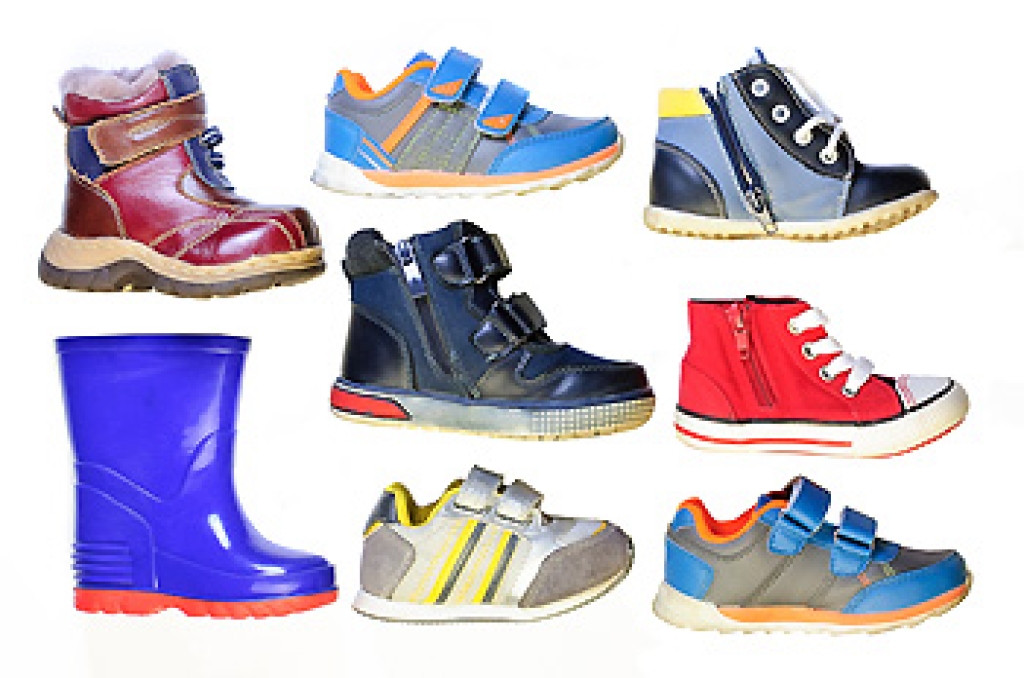
Children’s shoes should support natural growth while protecting developing feet. This calls for wearing soft, flexible footwear that allow freedom to move. For infants who are not yet walking, shoes are not needed for proper development. Barefoot movement allows the foot to strengthen and adapt naturally to surfaces. Pre-walkers benefit from minimal interference, as restrictive footwear may limit muscle activation and coordination. This early stage sets the foundation for balance, posture, and healthy walking patterns.
As children begin taking early steps, footwear needs begin to change. Flexible shoes are recommended during this transition stage to allow natural bending and movement. A proper shoe should feel light, with a soft sole that supports without restricting motion. Symptoms of improper footwear may include difficulty walking, irritation, or visible pressure marks on the skin. Shoes that are too rigid can alter natural gait patterns and create unnecessary strain. Choosing the right design helps maintain comfort and supports early mobility.
Independent walkers require shoes that offer a balance of flexibility and structure. At this stage, supportive soles and secure closures help stabilize the foot while allowing freedom of movement. Risk factors for developing foot issues include narrow shoes, stiff materials, and improper sizing. Pressure on the toes can lead to discomfort and affect walking confidence. Parents should regularly check shoe fit as children grow quickly.
The causes of many pediatric foot concerns can be traced to poor footwear choices during key developmental stages. Shoes that restrict movement or apply uneven pressure can interfere with natural growth. Selecting stage-appropriate footwear encourages proper alignment and reduces the likelihood of discomfort. A thoughtful approach to shoe selection supports healthy development and active movement. If your child has foot pain, from possibly wearing the wrong type of shoes, it is strongly suggested that you consult a podiatrist who can offer effective relief tips, and guide you on the correct shoes to buy for your child.
Making sure that your children maintain good foot health is very important as they grow. If you have any questions, contact one of our podiatrists of Romeo Foot & Ankle Clinic. Our doctors can provide the care you need to keep you pain-free and on your feet.
Keeping Children's Feet Healthy
Having healthy feet during childhood can help prevent medical problems later in life, namely in the back and legs. As children grow, their feet require different types of care. Here are some things to consider...
Although babies do not walk yet, it is still very important to take care of their feet.
Avoid putting tight shoes or socks on his or her feet.
Allow the baby to stretch and kick his or her feet to feel comfortable.
As a toddler, kids are now on the move and begin to develop differently. At this age, toddlers are getting a feel for walking, so don’t be alarmed if your toddler is unsteady or ‘walks funny’.
As your child gets older, it is important to teach them how to take care of their feet.
Show them proper hygiene to prevent infections such as fungus.
Be watchful for any pain or injury.
Have all injuries checked by a doctor as soon as possible.
Comfortable, protective shoes should always be worn, especially at play.
If you have any questions, please feel free to contact our offices located in Washington and Shelby Townships, MI . We offer the newest diagnostic and treatment technologies for all your foot care needs.
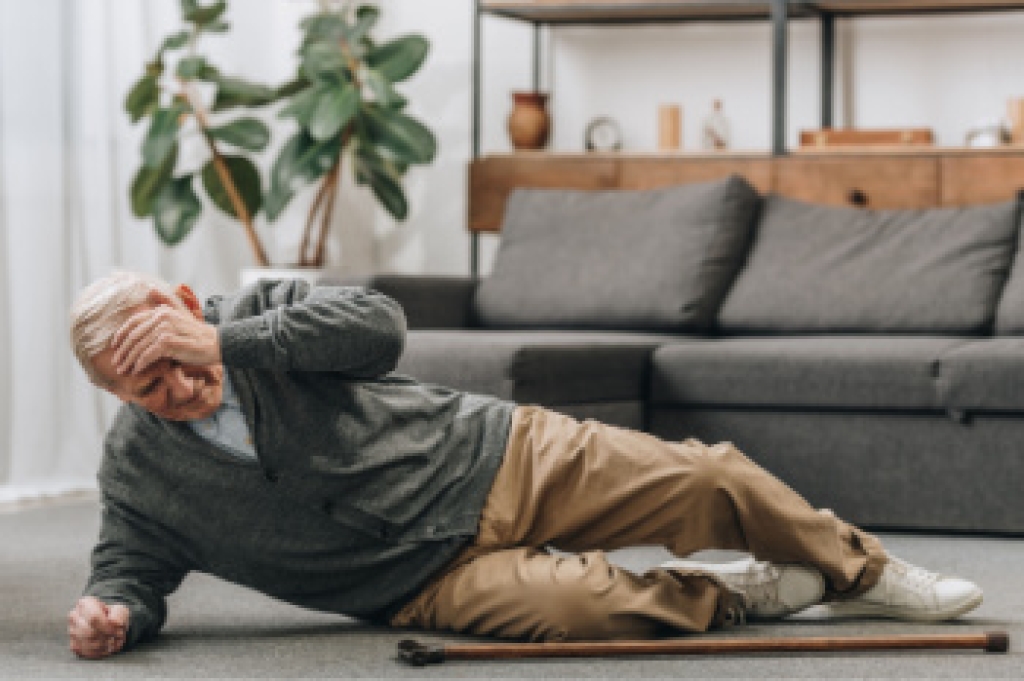
Falls at home are a common concern for older adults and can lead to serious injuries, especially involving the feet and ankles. A fall is defined as an unexpected loss of balance that results in landing on the ground or a lower surface. Several causes contribute to falls, including poor lighting, uneven surfaces, and distractions such as reading while walking. Understanding why falls happen can help reduce risk and support safer movement within the home environment.
Symptoms and warning signs that may increase fall risk include unsteady walking, dizziness, muscle weakness, and reduced balance. Risk factors include aging-related changes, vision problems, medications that affect coordination, and lack of physical activity. Limited awareness of surroundings can also play a role, especially when attention is divided between tasks. These factors can make it more difficult to react quickly and maintain stability, increasing the chance of a fall.
Falls can lead to a variety of foot and ankle conditions, including sprains, fractures, bruising, and joint pain. These injuries may affect mobility and make daily activities more challenging. Preventive strategies include improving awareness while walking, avoiding distractions, and maintaining a safe home environment. Mind-body exercises such as tai chi and yoga can improve balance and coordination. Additionally, building muscle strength through regular activity also supports stability and reduces fall risk.
Taking steps to prevent falls can protect overall health and maintain independence. Simple changes, such as improving lighting and focusing on safe movement, can make a meaningful difference. Staying active and aware supports better balance and reduces injury risk. If you have injured your foot or ankle from falling, it is suggested that you consult a podiatrist for effective treatment solutions and additional guidance on fall prevention tips.
Preventing falls among the elderly is very important. If you are older and have fallen or fear that you are prone to falling, consult with one of our podiatrists from Romeo Foot & Ankle Clinic. Our doctors will assess your condition and provide you with quality advice and care.
Every 11 seconds, an elderly American is being treated in an emergency room for a fall related injury. Falls are the leading cause of head and hip injuries for those 65 and older. Due to decreases in strength, balance, senses, and lack of awareness, elderly persons are very susceptible to falling. Thankfully, there are a number of things older persons can do to prevent falls.
How to Prevent Falls
Some effective methods that older persons can do to prevent falls include:
Falling can be a traumatic and embarrassing experience for elderly persons; this can make them less willing to leave the house, and less willing to talk to someone about their fears of falling. Doing such things, however, will increase the likelihood of tripping or losing one’s balance. Knowing the causes of falling and how to prevent them is the best way to mitigate the risk of serious injury.
If you have any questions, please feel free to contact our offices located in Washington and Shelby Townships, MI . We offer the newest diagnostic and treatment technologies for all your foot care needs.

Proper shoe fitting is essential for maintaining foot health and preventing common foot problems. Shoes that fit correctly support natural movement, reduce pressure points, and improve overall comfort during daily activities. Wearing ill-fitting shoes can lead to pain, instability, and long-term complications. Learning how to measure and select the right shoe size helps protect the feet and supports proper alignment. A well-fitted shoe should provide enough room for the toes, secure support around the heel, and balanced cushioning throughout the foot.
To achieve an accurate fit, it is important to measure the feet at the end of the day when they are slightly swollen. Wearing the same type of socks that will be used with the shoes can also improve accuracy. Another helpful method is to trace the foot on paper and compare the outline against a shoe size chart. Trying on both shoes and walking around allows for a better sense of fit and support.
Wearing shoes that do not fit properly can lead to a range of foot problems. Common issues include blisters, bunions, hammertoes, and toenail damage. Shoes that are too tight may cause pressure and irritation, while shoes that are too loose can lead to instability and friction. These problems can affect posture, walking patterns, and overall foot function. Poor shoe fit may also contribute to heel pain, arch strain, and nerve irritation.
Choosing the right shoes and ensuring a proper fit can improve comfort, reduce injury risk, and support long-term foot health. Paying attention to sizing, width, and support features helps create a better fit for daily activities and exercise. Regularly checking shoe condition and replacing worn footwear is also important for maintaining support. If you have foot pain or difficulty finding shoes that fit properly, it is suggested that you consult a podiatrist for effective relief tips and guidance on proper shoe fit.
It is important to find shoes that fit you properly in order to avoid a variety of different foot problems. For more information about treatment, contact one of our podiatrists from Romeo Foot & Ankle Clinic. Our doctors will treat your foot and ankle needs.
Proper Shoe Fitting
Shoes have many different functions. They cushion our body weight, protect our feet, and allow us to safely play sports. You should always make sure that the shoes you wear fit you properly in order to avoid injuries and deformities such as: bunions, corns, calluses, hammertoes, plantar fasciitis, stress fractures, and more. It is important to note that although a certain pair of shoes might be a great fit for someone else, that doesn’t mean they will be a great fit for you. This is why you should always try on shoes before buying them to make sure they are worth the investment. Typically, shoes need to be replaced ever six months to one year of regular use.
Tips for Proper Shoe Fitting
The shoes you buy should always feel as good as they look. Shoes that fit properly will last longer, feel better, and improve your way of life each day.
If you have any questions please contact our offices located in Washington and Shelby Townships, MI . We offer the newest diagnostic and treatment technologies for all your foot and ankle needs.
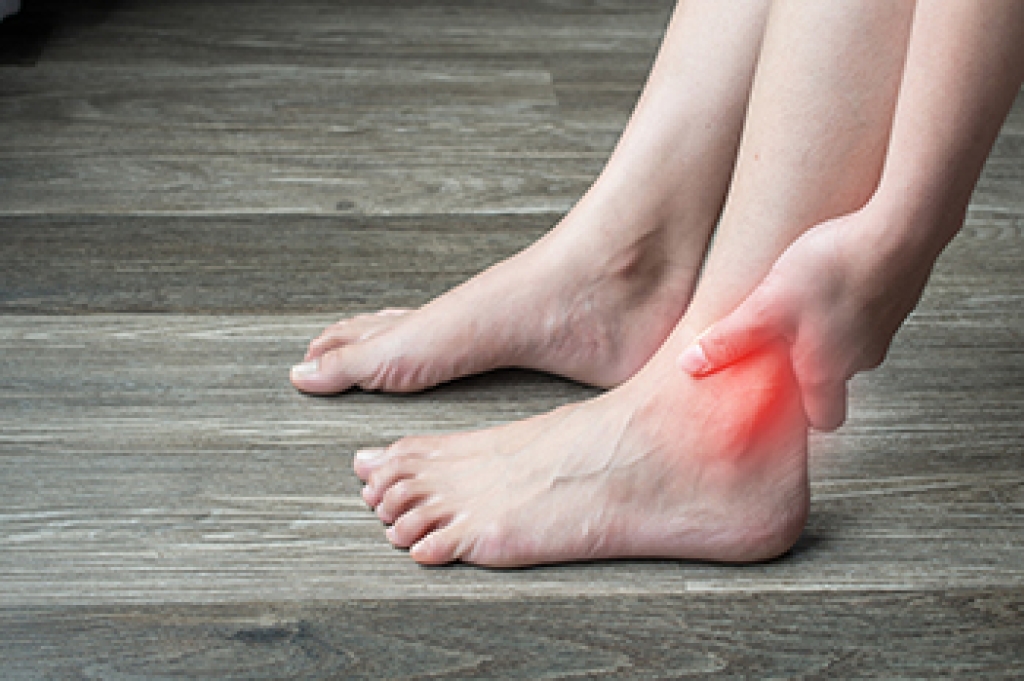
Unexplained ankle pain that develops without injury is often linked to internal conditions rather than external trauma. This type of pain may appear suddenly and interfere with daily activities, such as walking or standing. It is commonly associated with arthritis, autoimmune diseases, and biomechanical imbalances in the feet. These conditions can affect the ankle joint over time, even without a noticeable event. Recognizing the possible causes helps patients seek timely care and prevent further complications.
Symptoms depend on the condition affecting the ankle. Arthritis typically is noticeable with joint stiffness, swelling, and a gradual loss of flexibility. Autoimmune-related ankle pain may include redness, warmth, and ongoing inflammation that does not improve with rest. Foot alignment problems can lead to uneven weight distribution, causing pain during movement and a feeling of weakness in the ankle. Some individuals also report tenderness, mild swelling, or difficulty bearing weight. These signs should not be ignored, especially if they persist.
Risk factors include age-related joint changes, a history of autoimmune disease, and structural foot abnormalities. Individuals with flat feet or high arches are more likely to develop alignment issues that stress the ankle joint. Previous injuries can also increase vulnerability, even if symptoms were absent for years. The underlying causes often involve inflammation, cartilage breakdown, or improper joint mechanics. These factors can gradually lead to pain that appears without a clear trigger.
Managing unexplained ankle pain involves supportive care and medical evaluation. Wearing properly fitted shoes can improve stability and reduce strain on the joint. Maintaining joint flexibility and strength may also help prevent worsening symptoms. Early diagnosis allows for targeted treatment that may include orthotics or other therapies. If you have sudden ankle pain without injury, it is suggested that you visit a podiatrist for a thorough evaluation and appropriate treatment plan.
Ankle pain can be caused by a number of problems and may be potentially serious. If you have ankle pain, consult with one of our podiatrists from Romeo Foot & Ankle Clinic. Our doctors will assess your condition and provide you with quality foot and ankle treatment.
Ankle pain is any condition that causes pain in the ankle. Due to the fact that the ankle consists of tendons, muscles, bones, and ligaments, ankle pain can come from a number of different conditions.
Causes
The most common causes of ankle pain include:
Symptoms
Symptoms of ankle injury vary based upon the condition. Pain may include general pain and discomfort, swelling, aching, redness, bruising, burning or stabbing sensations, and/or loss of sensation.
Diagnosis
Due to the wide variety of potential causes of ankle pain, podiatrists will utilize a number of different methods to properly diagnose ankle pain. This can include asking for personal and family medical histories and of any recent injuries. Further diagnosis may include sensation tests, a physical examination, and potentially x-rays or other imaging tests.
Treatment
Just as the range of causes varies widely, so do treatments. Some more common treatments are rest, ice packs, keeping pressure off the foot, orthotics and braces, medication for inflammation and pain, and surgery.
If you have any questions please feel free to contact our offices located in Washington and Shelby Townships, MI . We offer the newest diagnostic tools and technology to treat your foot and ankle needs.
