
Have you noticed a bony protrusion on the side of your big toe? If so, you may have developed the foot condition known as a bunion. Don't let bunions interfere with your daily activities.
Have you noticed a bony protrusion on the side of your big toe? If so, you may have developed the foot condition known as a bunion. Don't let bunions interfere with your daily activities.

Ankle instability develops when the ankle repeatedly feels weak or gives way, especially after a previous sprain. A damaged ligament, which is the strong band of tissue that connects bones, does not always heal with enough strength to keep the ankle stable. As a result, the ankle can feel unreliable while walking, climbing stairs, or changing direction. Risk factors include previous ankle sprains, weak ankle support, and playing sports that involve quick turns. Ankle instability also affects people whose jobs require standing or walking for long periods. Ignoring these symptoms can increase the chance of another injury and can place extra stress on nearby joints.
A podiatrist evaluates the ankle to determine why it feels unstable and whether damaged ligaments or other structures are contributing to the problem. They check ankle movement, strength, and balance. Imaging tests, like X-rays or an MRI scan, can help reveal ligament damage or other injuries. Treatment focuses on improving ankle stability and reducing the risk of repeated sprains. A podiatrist can recommend ankle-support devices that match your condition. Custom orthotics can improve foot alignment and reduce strain on the ankle. Bracing also helps protect the joint during daily activities. When ligament damage is severe or repeated ankle sprains continue despite treatment, surgery can restore stability by repairing or rebuilding the damaged ligaments.
Prompt treatment gives the ankle the best chance to become more stable and comfortable. Delaying care can lead to repeated injuries, reduced confidence while walking, and damage to the cartilage that cushions the joint. A podiatrist continues to monitor healing and adjusts treatment based on your progress. Regular follow-up visits help confirm that the ankle is becoming stronger and more stable. Early diagnosis also helps patients return to work, sports, and daily activities with greater confidence. If you have a feeling that your ankle is giving way, it is suggested that you schedule an appointment with a podiatrist for a diagnosis and appropriate treatment.
Although ankle sprains are common, they aren’t always minor injuries. If you need your ankle injury looked at, contact one of our podiatrists from Romeo Foot & Ankle Clinic. Our doctors can provide the care you need to keep you pain-free and on your feet.
How Does an Ankle Sprain Occur?
Ankle sprains are the result of a tear in the ligaments within the ankle. These injuries may happen when you make a rapid shifting movement while your foot is planted. A less common way to sprain your ankle is when your ankle rolls inward while your foot turns outward.
What Are the Symptoms?
Preventing a Sprain
Treatment of a Sprain
In many cases, the RICE method (Rest, Ice, Compression, and Elevate) is used to treat ankle sprains. However, you should see a podiatrist to see which treatment option would work best with your injury. In severe cases, surgery may be required.
It is important to ask your doctor about rehab options after you receive treatment for your injury. Stretching, strength training, and balance exercises may help the ankle heal while also preventing further injury.
If you have any questions, please feel free to contact our offices located in Washington and Shelby Townships, MI . We offer the newest diagnostic and treatment technologies for all your foot care needs.
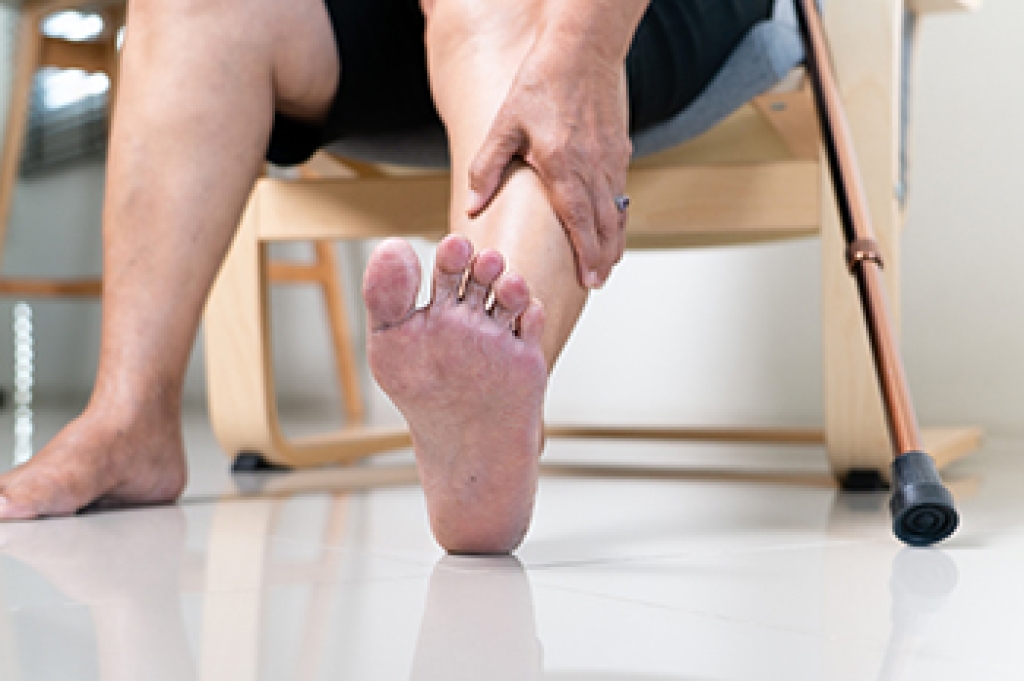
Foot problems in older adults are common and can significantly impact mobility and quality of life. As the body ages, natural changes in skin, joints, and circulation increase the risk of developing foot conditions. Elderly foot problems often include corns, toenail disorders, and hammertoe deformities. These conditions may seem minor at first but can lead to pain, instability, and reduced independence if not addressed early.
Symptoms vary depending on the condition but often include pain, swelling, and visible deformities. Corns appear as thickened areas of skin caused by repeated pressure or friction. Toenail disorders may include thickened, discolored, or brittle nails that are difficult to manage. Bunions present as a bony bump at the base of the big toe, while hammertoe involves an abnormal bending of the smaller toes. Weakness, frailty, and balance difficulties are also common, increasing the risk of falls.
Risk factors include aging-related joint changes, reduced muscle strength, and poor circulation. Wearing ill- fitting shoes can worsen pressure points and contribute to deformities. Chronic conditions like arthritis and diabetes may further impact foot health. Limited flexibility and decreased sensation can make it harder to detect early signs of injury or irritation, allowing problems to progress. Preventive care and early treatment are essential for maintaining mobility. Wearing properly fitted, supportive shoes reduces pressure and improves balance. Regular foot inspections help identify changes before they worsen. Routine nail care and skin maintenance are also important. Strengthening and balance exercises can improve stability and reduce fall risk. If you are elderly and have developed foot problems, it is suggested that you consult a podiatrist for an accurate diagnosis and appropriate treatment.
If you need your feet checked, contact one of our podiatrists of Romeo Foot & Ankle Clinic. Our doctors will attend to all of your foot and ankle needs and provide you with quality treatment.
Geriatrics and Podiatry
When people age, some common issues that may occur are bone density loss, dry skin, poor circulation, and rough brittle nails. These issues may also affect your foot health if the necessary steps are not taken to alleviate the problems.
It is important to take care of your feet because feet that are injured or diseased can affect your overall health. Having painful feet hinders your ability to do daily activities or may decrease your willingness to do the things that you need to do.
Visiting Your Geriatrician
As we age, health problems become more likely, so it is essential to visit your doctor for check-ups to ensure that you are doing the best you can to take care of your health. It is recommended to check your feet frequently for any possible cuts, bruises, swelling, corns or any other irregularities.
Taking Care of Elderly Feet
Cracked or dry feet can be treated by applying moisturizer often. It is also important not to wear old socks because the older the sock is, the higher the possibility there will be that there is bacteria there. Wear fresh socks and make sure they fit properly.
Proper foot health means that you can have a more active lifestyle and you will not be bogged down by pain. Foot health also leads to good circulation, which is paramount for overall health.
If you have any questions, please feel free to contact our offices located in Washington and Shelby Townships, MI . We offer the newest diagnostic and treatment technologies for all your foot care needs.

Heel pain can make walking, standing, and daily activities uncomfortable. It may develop suddenly after an injury or appear slowly from repeated stress on the foot. One common cause is plantar fasciitis, which involves irritation of the strong band of tissue that supports the arch and connects to the heel. Pain may also come from Achilles tendon irritation, bursitis, or a heel fracture. Symptoms can include sharp pain under the heel, aching at the back of the heel, or discomfort that worsens after activity. Pain that continues or returns often means the heel needs professional attention. Early evaluation can help identify the cause before the problem becomes harder to treat.
A podiatrist can examine the heel and determine what may be causing the pain. During the visit, the podiatrist checks the location of discomfort, foot movement, and signs of swelling or injury. Imaging may be recommended if a fracture, bone spur, or deeper injury is suspected. Treatment depends on the diagnosis and may include custom orthotics, medical therapies, or advanced care when needed. A podiatrist can also evaluate how foot structure and walking patterns may be adding stress to the heel. This helps create a treatment plan that supports healing and improves comfort.
Professional heel pain treatment can help restore mobility and protect long-term foot health. Delaying care may allow irritation, inflammation, or injury to worsen over time. A podiatrist can monitor progress and adjust treatment as symptoms improve. Proper diagnosis is especially important, because other heel conditions can feel similar but require different care. Whether pain is under the heel or near the back of the ankle, podiatry care can help address the source of discomfort. If you have ongoing heel pain, it is suggested that you consult a podiatrist for an evaluation.
Many people suffer from bouts of heel pain. For more information, contact one of our podiatrists of Romeo Foot & Ankle Clinic. Our doctors can provide the care you need to keep you pain-free and on your feet.
Causes of Heel Pain
Heel pain is often associated with plantar fasciitis. The plantar fascia is a band of tissues that extends along the bottom of the foot. A rip or tear in this ligament can cause inflammation of the tissue.
Achilles tendonitis is another cause of heel pain. Inflammation of the Achilles tendon will cause pain from fractures and muscle tearing. Lack of flexibility is also another symptom.
Heel spurs are another cause of pain. When the tissues of the plantar fascia undergo a great deal of stress, it can lead to ligament separation from the heel bone, causing heel spurs.
Why Might Heel Pain Occur?
Treatments
Heel pain should be treated as soon as possible for immediate results. Keeping your feet in a stress-free environment will help. If you suffer from Achilles tendonitis or plantar fasciitis, applying ice will reduce the swelling. Stretching before an exercise like running will help the muscles. Using all these tips will help make heel pain a condition of the past.
If you have any questions, please feel free to contact our offices located in Washington and Shelby Townships, MI . We offer the newest diagnostic and treatment technologies for all your foot care needs.
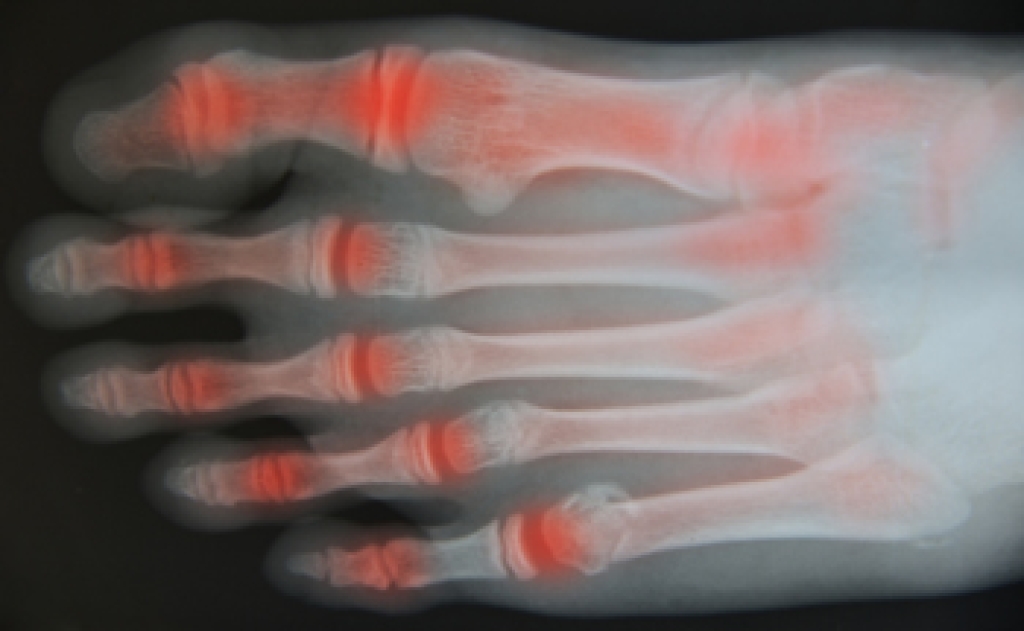
Foot arthritis includes several conditions that affect the joints, causing pain, stiffness, and limited movement. Among these, psoriatic arthritis is a significant inflammatory type that can lead to debilitating foot pain. It differs from other forms of arthritis because it involves both joint inflammation and changes in the surrounding soft tissue. This condition can affect multiple joints in the foot, making walking and standing difficult over time.
Symptoms often include persistent joint pain, swelling, and a feeling of warmth in the affected areas. Dactylitis is a key sign, where toes appear swollen and enlarged, resembling a sausage-like shape. Patients may also notice stiffness after periods of inactivity, as well as tenderness along tendons and ligaments. These symptoms can gradually worsen, leading to decreased mobility and challenges with everyday activities.
The causes of psoriatic arthritis are linked to immune system dysfunction, where the body mistakenly attacks healthy joint tissue. Risk factors include having psoriasis, a family history of autoimmune conditions, and certain environmental influences. Stress, infections, and physical trauma may also contribute to the onset or worsening of symptoms. Understanding these risk factors can help with early identification and management.
Treatment focuses on reducing inflammation, preserving joint function, and improving quality of life. Wearing supportive shoes, custom orthotics, and targeted therapies can help relieve pressure on affected joints. Early intervention is essential to prevent long term damage. Consistent care with a podiatrist allows for monitoring and adjustment of treatment plans. If you have foot arthritis, it is suggested that you consult a podiatrist for effective relief and management solutions.
Arthritis can be a difficult condition to live with. If you are seeking treatment, contact one of our podiatrists from Romeo Foot & Ankle Clinic. Our doctors can provide the care you need to keep you pain-free and on your feet.
Arthritic Foot Care
Arthritis is a joint disorder that involves the inflammation of different joints in your body, such as those in your feet. Arthritis is often caused by a degenerative joint disease and causes mild to severe pain in all affected areas. In addition to this, swelling and stiffness in the affected joints can also be a common symptom of arthritis.
In many cases, wearing ill-fitting shoes can worsen the effects and pain of arthritis. Wearing shoes that have a lower heel and extra room can help your feet feel more comfortable. In cases of rheumatoid arthritis, the arch in your foot may become problematic. Buying shoes with proper arch support that contour to your feet can help immensely.
Alleviating Arthritic Pain
It is best to see your doctor for the treatment that is right for your needs and symptoms. Conditions vary, and a podiatrist can help you determine the right method of care for your feet.
If you have any questions please feel free to contact our offices located in Washington and Shelby Townships, MI . We offer the newest diagnostic tools and technology to treat your foot and ankle needs.
