The Hidden Risks of Blisters

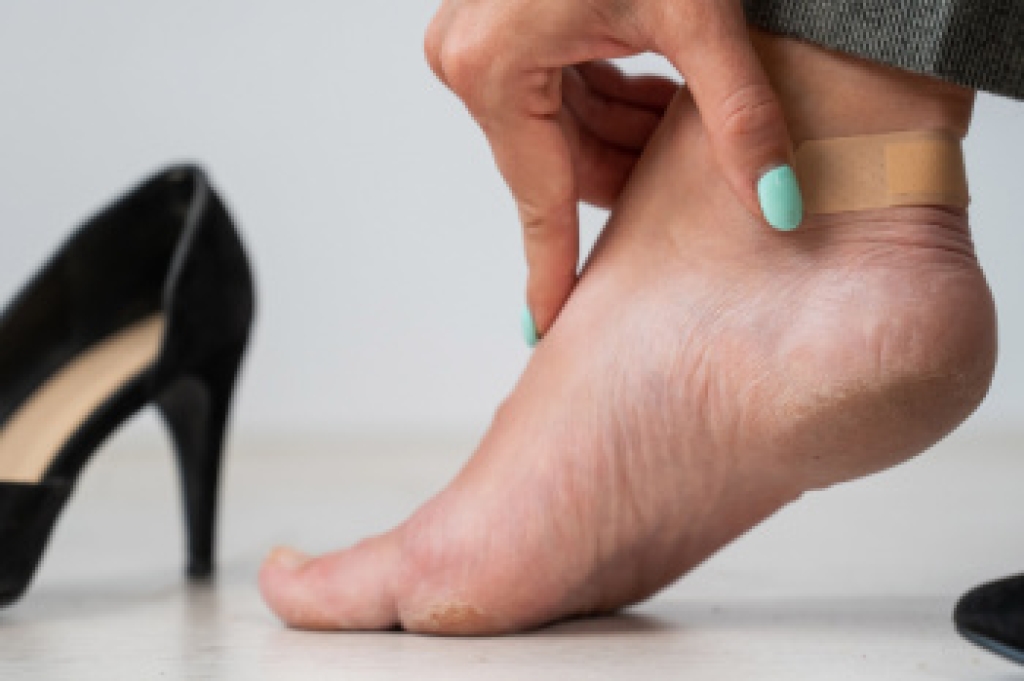
Blisters are pockets of fluid that form beneath the outer layer of skin. They develop when repeated rubbing or pressure damages the skin and causes fluid to collect in the affected area. On the feet, blisters frequently occur on the heels, toes or balls of the feet. Activities that involve extended periods of walking, running or standing can increase the risk. Shoes that are too tight can also contribute to blister formation. Footwear that lacks proper support may create extra movement inside the shoe, leading to friction and irritation. Blisters can cause discomfort, tenderness and pain that interferes with daily activities.

Although many blisters begin as a minor problem, they can become more serious when the skin breaks open. An open blister creates an entry point for bacteria, which can lead to infection. Signs of infection include redness, swelling and drainage. Additional symptoms may include warmth around the area or increasing pain. People with diabetes or circulation problems should take blisters seriously because even small skin injuries can develop into larger foot complications. Prompt evaluation by a podiatrist can help identify concerns before they worsen and can reduce the risk of long-term problems.

A podiatrist can determine the cause of recurring blisters and recommend treatment based on the condition of the skin and foot structure. Treatment may involve protective dressings, pressure-relieving devices or recommendations for properly fitted shoes. A podiatrist can also evaluate the way a patient walks to identify abnormal pressure points that contribute to repeated friction. Addressing these underlying factors helps reduce discomfort and lowers the chance of future blisters. Professional care is especially important when blisters are painful, recurrent or show signs of infection. Early treatment can help preserve skin health and keep patients active and comfortable. If you frequently develop blisters which have become infected, it is suggested that you schedule an appointment with a podiatrist for effective treatment solutions and prevention tips. 

Blisters are prone to making everyday activities extremely uncomfortable. If your feet are hurting, contact one of our podiatrists of Romeo Foot & Ankle Clinic. Our doctors can provide the care you need to keep you pain-free and on your feet.

Foot Blisters

Foot blisters develop as a result of constantly wearing tight or ill-fitting footwear. This happens due to the constant rubbing from the shoe, which can often lead to pain.

What Are Foot Blisters?

A foot blister is a small fluid-filled pocket that forms on the upper-most layer of the skin. Blisters are filled with clear fluid and can lead to blood drainage or pus if the area becomes infected.

How Do Blisters Form?

Blisters on the feet are often the result of constant friction of skin and material, usually by shoe rubbing. Walking in sandals, boots, or shoes that don’t fit properly for long periods of time can result in a blister. Having consistent foot moisture and humidity can easily lead to blister formation.

Prevention & Treatment

It is important to properly care for the affected area in order to prevent infection and ease the pain. Do not lance the blister and use a Band-Aid to provide pain relief. Also, be sure to keep your feet dry and wear proper fitting shoes. If you see blood or pus in a blister, seek assistance from a podiatrist.

If you have any questions, please feel free to contact our offices located in Washington and Shelby Townships, MI . We offer the newest diagnostic and treatment technologies for all your foot care needs.

Read more about Blisters on the Feet

Straight Toes and a Strong Foundation

In Pilates, toes play a role in guiding the body. When toes point ahead, alignment begins at the feet and travels through the ankles, knees, hips, and spine. The foot contains three arches: the transverse arch, the lateral longitudinal arch, and the medial longitudinal arch. These arches work together to absorb shock and provide stability. When these arches weaken or collapse, a condition called overpronation may occur, with feet rolling inward and toes drifting outward. This can develop from strain, poor biomechanics, or improper habits. Patients may notice imbalance or discomfort during movement. A podiatrist can evaluate structure, prescribe custom orthotics, and guide correction to restore function and control. If you have foot or ankle pain, it is suggested that you consult a podiatrist who can offer effective relief tips and guide you on additional methods that can stretch the feet.

If you have any concerns about your feet, contact one of our podiatrists from Romeo Foot & Ankle Clinic. Our doctors can provide the care you need to keep you pain-free and on your feet.

Biomechanics in Podiatry

Podiatric biomechanics is a particular sector of specialty podiatry with licensed practitioners who are trained to diagnose and treat conditions affecting the foot, ankle and lower leg. Biomechanics deals with the forces that act against the body, causing an interference with the biological structures. It focuses on the movement of the ankle, the foot and the forces that interact with them.

A History of Biomechanics

  • Biomechanics dates back to the BC era in Egypt where evidence of professional foot care has been recorded.
  • In 1974, biomechanics gained a higher profile from the studies of Merton Root, who claimed that by changing or controlling the forces between the ankle and the foot, corrections or conditions could be implemented to gain strength and coordination in the area.

Modern technological improvements are based on past theories and therapeutic processes that provide a better understanding of podiatric concepts for biomechanics. Computers can provide accurate information about the forces and patterns of the feet and lower legs.

Understanding biomechanics of the feet can help improve and eliminate pain, stopping further stress to the foot.

If you have any questions please feel free to contact our offices located in Washington and Shelby Townships, MI . We offer the newest diagnostic and treatment technologies for all your foot and ankle needs.

Read more about The Importance of Biomechanics in Podiatry

Facts About Sprained Ankles

A sprained ankle is a common injury that occurs when the ligaments supporting the ankle are stretched or torn. This usually happens when the foot twists suddenly, often during sports, walking on uneven surfaces, or missing a step. Symptoms can include swelling, bruising, pain, and difficulty bearing weight on the affected foot. Some people may also notice instability or a feeling that the ankle may give out. Risk factors include previous ankle injuries, weak supporting muscles, wearing improper footwear, and activities that involve quick direction changes. The condition can appear suddenly after an injury or develop with repeated strain over time. Without proper evaluation, the ankle may not heal correctly and could become prone to future issues. A podiatrist can assess ligament damage, provide imaging if needed, and guide recovery. If you have symptoms of a sprained ankle, it is suggested that you consult a podiatrist who can offer effective relief and treatment solutions.

Ankle sprains are common but need immediate attention. If you need your feet checked, contact one of our podiatrists from Romeo Foot & Ankle Clinic. Our doctors can provide the care you need to keep you pain-free and on your feet.

How Does an Ankle Sprain Occur?

Ankle sprains take place when the ligaments in your ankle are torn or stretched beyond their limits. There are multiple ways that the ankle can become injured, including twisting or rolling over onto your ankle, putting undue stress on it, or causing trauma to the ankle itself.

What Are the Symptoms?

  • Mild to moderate bruising
  • Limited mobility
  • Swelling
  • Discoloration of the skin (depending on severity)

Preventing a Sprain

  • Wearing appropriate shoes for the occasion
  • Stretching before exercises and sports
  • Knowing your limits

Treatment of a Sprain

Treatment of a sprain depends on the severity.  Many times, people are told to rest and remain off their feet completely, while others are given an air cast. If the sprain is very severe, surgery may be required.

If you have suffered an ankle sprain previously, you may want to consider additional support such as a brace and regular exercises to strengthen the ankle.

If you have any questions please feel free to contact our offices located in Washington and Shelby Townships, MI . We offer the newest diagnostic tools and technology to treat your foot and ankle needs.

Read more about Ankle Sprains

Why Balance Problems Lead to Falls

Falls related to balance problems can happen when the body loses its ability to stay steady during movement or while standing still. This condition may appear as unsteadiness, dizziness, or a feeling that the ground is shifting underfoot. Causes often include vision problems that affect depth perception, inner ear issues that disrupt equilibrium, and nerve damage such as neuropathy that reduces sensation in the feet. When the feet cannot properly feel the ground, it becomes harder to react quickly and maintain stability. A podiatrist plays an important role by evaluating foot structure, nerve function, and gait patterns. They can identify underlying concerns, recommend supportive devices, and coordinate care to reduce the risk of further injury. If you have injured your foot or ankle from falling, it is suggested that you consult a podiatrist who can offer effective relief, treatment, and prevention techniques.

Preventing falls among the elderly is very important. If you are older and have fallen or fear that you are prone to falling, consult with one of our podiatrists from Romeo Foot & Ankle Clinic. Our doctors will assess your condition and provide you with quality advice and care.

Every 11 seconds, an elderly American is being treated in an emergency room for a fall related injury. Falls are the leading cause of head and hip injuries for those 65 and older. Due to decreases in strength, balance, senses, and lack of awareness, elderly persons are very susceptible to falling. Thankfully, there are a number of things older persons can do to prevent falls.

How to Prevent Falls

Some effective methods that older persons can do to prevent falls include:

  • Enrolling in strength and balance exercise program to increase balance and strength
  • Periodically having your sight and hearing checked
  • Discuss any medications you have with a doctor to see if it increases the risk of falling
  • Clearing the house of falling hazards and installing devices like grab bars and railings
  • Utilizing a walker or cane
  • Wearing shoes that provide good support and cushioning
  • Talking to family members about falling and increasing awareness

Falling can be a traumatic and embarrassing experience for elderly persons; this can make them less willing to leave the house, and less willing to talk to someone about their fears of falling. Doing such things, however, will increase the likelihood of tripping or losing one’s balance. Knowing the causes of falling and how to prevent them is the best way to mitigate the risk of serious injury.  

If you have any questions, please feel free to contact our offices located in Washington and Shelby Townships, MI . We offer the newest diagnostic and treatment technologies for all your foot care needs.

Read more about Falls Prevention

Differences Between Fungus and Mold in Toenails

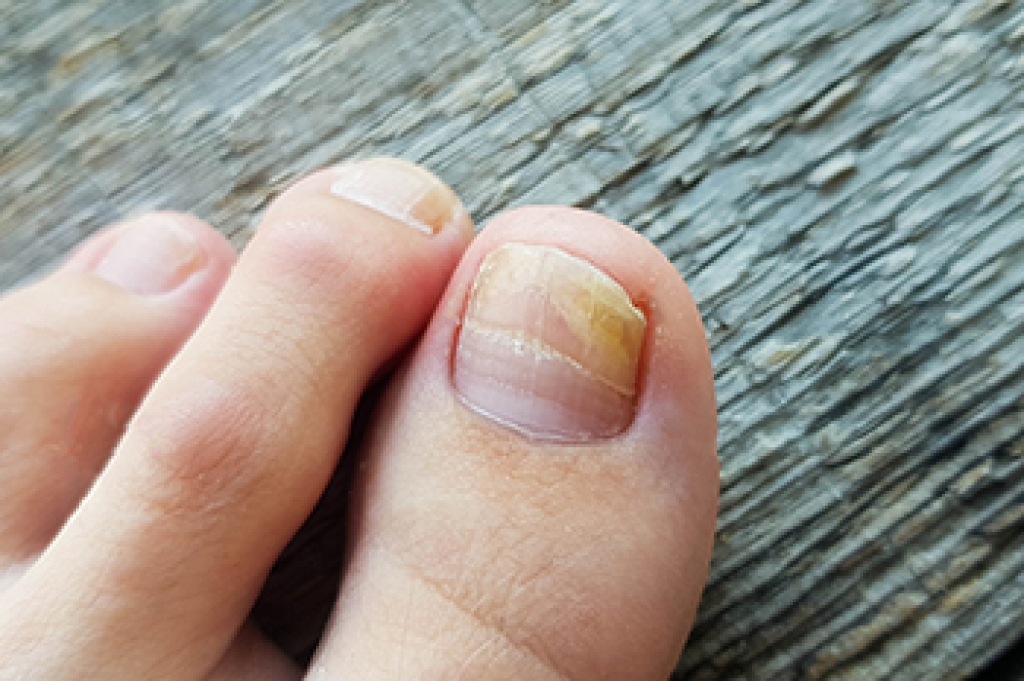
Toenail fungus and toenail mold are different infections, but both can cause changes in the appearance of the nails. Toenail fungus is caused by fungi and usually leads to thick, yellow, brittle, or crumbly nails. Toenail mold is caused by bacteria and commonly causes green, black, or dark discoloration beneath the nail. Both conditions can cause nail lifting, odor, and discomfort, but treatments are different. Risk factors include nail injuries, wearing damp shoes, and walking in moist public areas. A podiatrist can examine the nail and perform tests to identify the exact cause of the infection. Treatment depends on the type of infection and the severity of the nail damage. Early treatment is important, because untreated infections can spread to nearby skin or affect additional nails. If you have symptoms of a toenail infection, it is suggested that you schedule an appointment with a podiatrist for a diagnosis and appropriate treatment.

If left untreated, toenail fungus may spread to other toenails, skin, or even fingernails. If you suspect you have toenail fungus it is important to seek treatment right away. For more information about treatment, contact one of our podiatrists of Romeo Foot & Ankle Clinic. Our doctors can provide the care you need to keep you pain-free and on your feet.

Symptoms

  • Warped or oddly shaped nails
  • Yellowish nails
  • Loose/separated nail
  • Buildup of bits and pieces of nail fragments under the nail
  • Brittle, broken, thickened nail

Treatment

If self-care strategies and over-the-counter medications does not help your fungus, your podiatrist may give you a prescription drug instead. Even if you find relief from your toenail fungus symptoms, you may experience a repeat infection in the future.

Prevention

In order to prevent getting toenail fungus in the future, you should always make sure to wash your feet with soap and water. After washing, it is important to dry your feet thoroughly especially in between the toes. When trimming your toenails, be sure to trim straight across instead of in a rounded shape. It is crucial not to cover up discolored nails with nail polish because that will prevent your nail from being able to “breathe”.

In some cases, surgical procedure may be needed to remove the toenail fungus. Consult with your podiatrist about the best treatment options for your case of toenail fungus.  

If you have any questions please contact our offices located in Washington and Shelby Townships, MI . We offer the newest diagnostic and treatment technologies for all your foot and ankle needs.

Read more about Treating Toenail Fungus

Connect With Us

Advanced Podiatric Procedures & Services in the Macomb County, MI: Washington Twp. (Romeo, Almont, Oakland Charter Township, Addison Township, Armada, Lenox, Ray, Lakeville, Leonard, New Haven) and Shelby Twp. (Rochester, Utica, Chesterfield, Sterling Heights, Fraser, Clinton Twp, Mt Clemens, Harrison Twp, Warren, New Baltimore) areas