
Custom orthotics, or shoe inserts, should be periodically replaced. Orthotics must fit properly to give you the best results. Protect your feet and ankles!
Custom orthotics, or shoe inserts, should be periodically replaced. Orthotics must fit properly to give you the best results. Protect your feet and ankles!

Gait refers to the way a person walks, and in children it can sometimes develop in patterns that raise concern. Pigeon toe, also called in-toeing, is when the feet turn inward while walking. Out-toeing occurs when the feet point outward. Toe walking is when a child walks on the balls of the feet without the heels touching the ground. These patterns may be linked to muscle imbalance, bone alignment, or developmental factors. Risk factors include family history, tight muscles, or neurological conditions. A podiatrist can evaluate walking patterns, provide guidance, and recommend supportive care or treatment when needed. If you notice your child has any of these walking patterns, it is suggested that you consult a podiatrist who can guide you on improving and managing these conditions.
The health of a child’s feet is vital to their overall well-being. If you have any questions regarding foot health, contact one of our podiatrists of Romeo Foot & Ankle Clinic. Our doctors can provide the care you need to keep you pain-free and on your feet.
Tips for Keeping Children's Feet Healthy
If you have any questions, please feel free to contact our offices located in Washington and Shelby Townships, MI . We offer the newest diagnostic and treatment technologies for all your foot care needs.
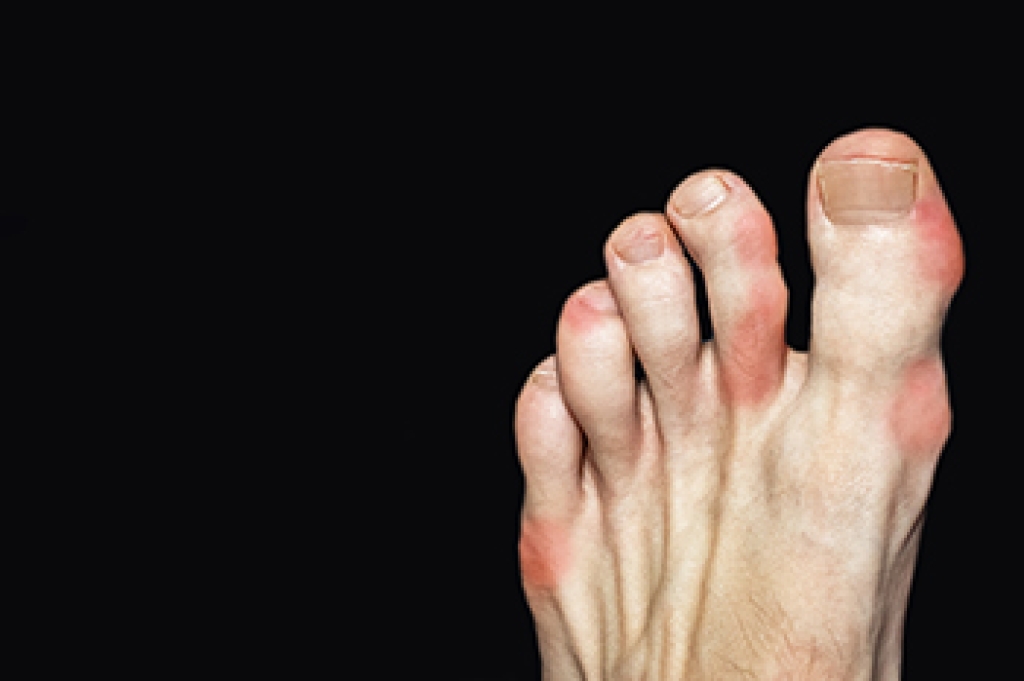
Gout is a form of inflammatory arthritis that often causes sudden, intense pain, frequently affecting the big toe. Many people notice that symptoms worsen at night, with sharp, throbbing pain that can wake them from sleep. The joint may appear red, swollen, and warm, and even light pressure from bedsheets can feel uncomfortable. This occurs when uric acid builds up in the bloodstream and forms crystals in the joint, triggering inflammation. Causes include dehydration, certain foods high in purines, and alcohol use. Underlying medical conditions that affect how the body processes uric acid can also be a factor. A podiatrist can recognize the signs of gout and may work with other healthcare providers to confirm the diagnosis. Treatment includes medication to reduce inflammation and manage uric acid levels, along with guidance on lifestyle adjustments. If you have painful gout, especially at night, it is suggested that you schedule an appointment with a podiatrist for effective relief and management tips.
Gout is a foot condition that requires certain treatment and care. If you are seeking treatment, contact one of our podiatrists from Romeo Foot & Ankle Clinic. Our doctors will treat your foot and ankle needs.
What Is Gout?
Gout is a type of arthritis caused by a buildup of uric acid in the bloodstream. It often develops in the foot, especially the big toe area, although it can manifest in other parts of the body as well. Gout can make walking and standing very painful and is especially common in diabetics and the obese.
People typically get gout because of a poor diet. Genetic predisposition is also a factor. The children of parents who have had gout frequently have a chance of developing it themselves.
Gout can easily be identified by redness and inflammation of the big toe and the surrounding areas of the foot. Other symptoms include extreme fatigue, joint pain, and running high fevers. Sometimes corticosteroid drugs can be prescribed to treat gout, but the best way to combat this disease is to get more exercise and eat a better diet.
If you have any questions, please feel free to contact our offices located in Washington and Shelby Townships, MI . We offer the newest diagnostic and treatment technologies for all your foot care needs.

Foot problems that result from diabetes can develop when high blood sugar damages nerves and reduces blood flow to the feet. This can cause numbness, burning, tingling, or loss of feeling. These make it harder to notice cuts, blisters, or pressure points. Poor circulation can also slow healing and raise the risk of infection. Diabetic foot problems include ulcers, calluses, and infections that can lead to limb loss if not treated early. Wearing Ill-fitting shoes and repeated minor injuries can make these problems worse. A podiatrist can examine the feet, check circulation and nerve function, and treat wounds that will not heal. They can also safely remove thickened skin, provide guidance on proper footwear, and prescribe custom inserts or casts to reduce pressure. Regular foot exams are needed to prevent serious complications in diabetics. If you have developed foot problems related to diabetes, it is suggested that you schedule an appointment with a podiatrist for a diagnosis and ongoing treatment.
Diabetic foot care is important in preventing foot ailments such as ulcers. If you are suffering from diabetes or have any other concerns about your feet, contact one of our podiatrists from Romeo Foot & Ankle Clinic. Our doctors can provide the care you need to keep you pain-free and on your feet.
Diabetic Foot Care
Diabetes affects millions of people every year. The condition can damage blood vessels in many parts of the body, especially the feet. Because of this, taking care of your feet is essential if you have diabetes, and having a podiatrist help monitor your foot health is highly recommended.
The Importance of Caring for Your Feet
Patients with diabetes should have their doctor monitor their blood levels, as blood sugar levels play such a huge role in diabetic care. Monitoring these levels on a regular basis is highly advised.
It is always best to inform your healthcare professional of any concerns you may have regarding your feet, especially for diabetic patients. Early treatment and routine foot examinations are keys to maintaining proper health, especially because severe complications can arise if proper treatment is not applied.
If you have any questions, please feel free to contact our offices located in Washington and Shelby Townships, MI . We offer the newest diagnostic and treatment technologies for all your foot care needs.
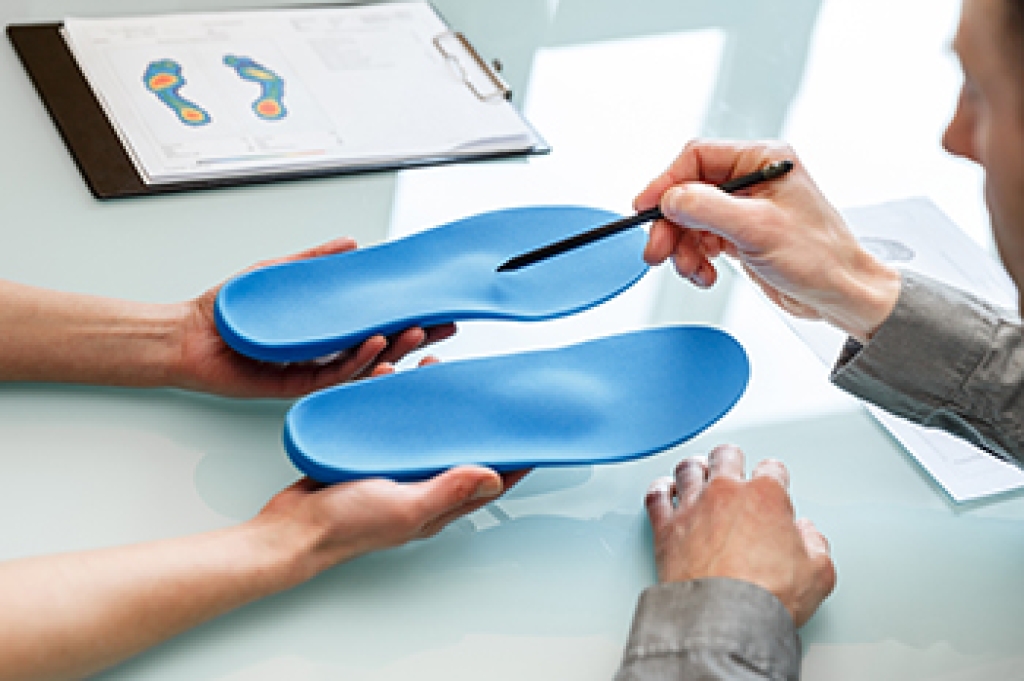
Orthotics are specially designed devices placed inside footwear to support, align, and improve the function of the feet and lower limbs. Off-the-shelf orthotics are prefabricated inserts that provide general support and cushioning for common foot issues. Functional foot orthoses are designed to correct abnormal movement patterns and improve biomechanics while walking or running. Custom molded total contact insoles are individually crafted to match the exact shape of the foot, offering precise support and pressure distribution. These devices can help treat plantar fasciitis, flat feet, heel pain, and overuse injuries. Benefits include improved comfort, better posture, reduced pain, and enhanced mobility. A podiatrist can assess foot structure and gait to recommend the most suitable orthotic option. If you have foot pain, it is suggested that you consult a podiatrist who can discuss the benefits of custom-made orthotics with you.
If you are having discomfort in your feet and would like to try orthotics, contact one of our podiatrists from Romeo Foot & Ankle Clinic. Our doctors can provide the care you need to keep you pain-free and on your feet.
What Are Orthotics?
Orthotics are inserts you can place into your shoes to help with a variety of foot problems such as flat feet or foot pain. Orthotics provide relief and comfort for minor foot and heel pain but can’t correct serious biomechanical problems in your feet.
Over-the-Counter Inserts
Orthotics come in a wide variety of over-the-counter inserts that are used to treat foot pain, heel pain, and minor problems. For example, arch supports can be inserted into your shoes to help correct overarched or flat feet, while gel insoles are often used because they provide comfort and relief from foot and heel pain by alleviating pressure.
Prescription Orthotics
If over-the-counter inserts don’t work for you or if you have a more severe foot concern, it is possible to have your podiatrist prescribe custom orthotics. These high-quality inserts are designed to treat problems such as abnormal motion, plantar fasciitis, and severe forms of heel pain. They can even be used to help patients suffering from diabetes by treating foot ulcers and painful calluses and are usually molded to your feet individually, which allows them to provide full support and comfort.
If you are experiencing minor to severe foot or heel pain, it’s recommended to speak with your podiatrist about the possibilities of using orthotics. A podiatrist can determine which type of orthotic is right for you and allow you to take the first steps towards being pain-free.
If you have any questions, please feel free to contact our offices located in Washington and Shelby Townships, MI . We offer the newest diagnostic and treatment technologies for all your foot care needs.
