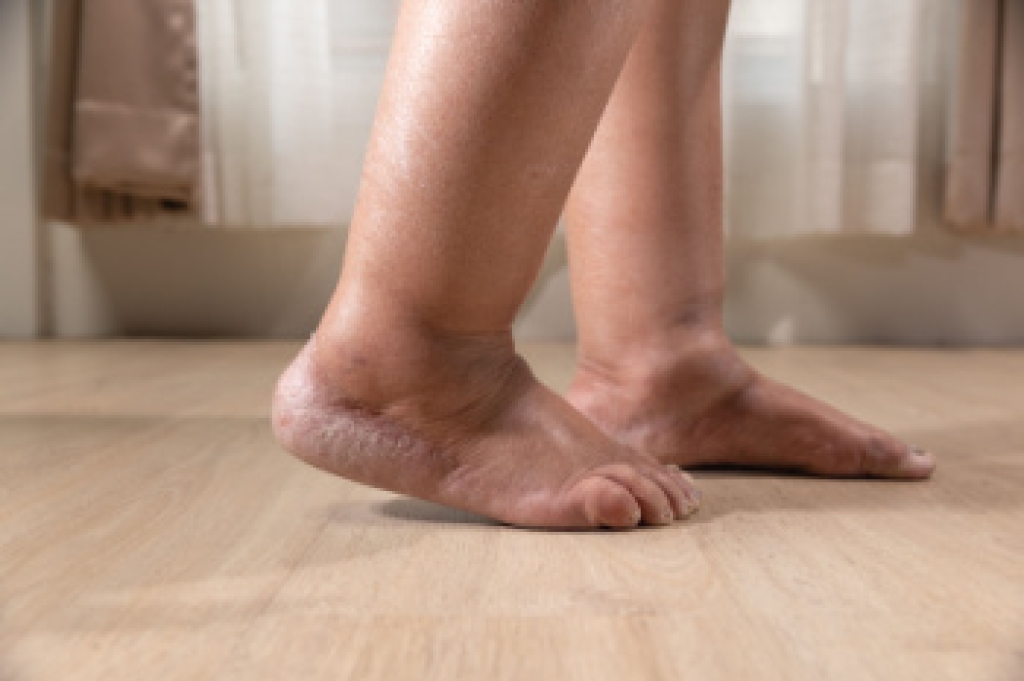
Swollen Feet May Signal Health Issues

Swollen feet can develop after a long day of standing or walking, but swelling that persists may need medical attention. The buildup of fluid in body tissues is called edema. Gravity can pull blood toward the lower legs, allowing fluid to enter the feet and ankles. Pregnancy and medicines can also cause swelling. In other cases, swollen feet can point to an injury, infection, or problem with blood flow. Heart, kidney, and liver conditions can also affect how the body handles fluid. Identifying the cause is important because treatment depends on the cause of the swelling.

The location and timing of swelling can offer clues. Swelling after an injury can occur with a sprain, fracture, or tendon problem. Redness, warmth, and tenderness can signal an infection. Sudden swelling in one leg can be linked to a blood clot in a deep vein and requires prompt medical attention. Seek emergency care when swelling occurs with chest pain, trouble breathing, or faintness. Severe swelling in pregnancy also needs prompt evaluation. Other warning signs include skin discoloration, an open wound, or an indentation that remains after pressing the area. Swelling that lasts several days or keeps returning should not be ignored.

A podiatrist can examine the feet to learn whether the problem begins in bones, joints, or soft tissues. The evaluation includes questions about when swelling started and whether one or both feet are affected. The podiatrist can check the skin, circulation, and affected areas. Treatment is based on the cause and can include protecting an injury, managing an infection, or reducing pressure on a painful area. Orthotics or wearing properly-fitted shoes can improve support when foot structure contributes to discomfort. If you have discomfort from swollen feet or ankles, it is suggested that you schedule an appointment with a podiatrist to identify the cause and get effective relief.

Swollen feet can be a sign of an underlying condition. If you have any concerns, contact one of our podiatrists of Romeo Foot & Ankle Clinic. Our doctors can provide the care you need to keep you pain-free and on your feet.

Swollen feet are a common ailment among pregnant women and people who stand or sit for extended periods. Aging may increase the possibility of swollen feet and patients who are obese often notice when their feet are swelling too. There may be medical reasons why swollen feet occur:

  • Phlebitis - A condition that causes the veins to become inflamed and can also cause leg pain.
  • Liver disease - This may lead to low blood levels of albumin which is a protein. This can cause fluid in the blood to pass into the tissues and several areas of the body can become swollen.
  • Heart failure - When the heart doesn’t pump properly the blood that is normally pumped back to the heart can pool in the veins of the legs causing swollen feet.
  • Kidney disease - One of the main functions of the kidneys is releasing excess fluid in the body. This type of condition can make it difficult for the kidneys to function properly, and as a result the feet may become swollen.
  • Deep-vein thrombosis (DVT)- This is a serious condition where blood clots form in the veins of the legs. They can block the return of blood from the legs to the heart which may cause the feet to swell. It is important to be treated by a podiatrist if this condition is present.

Swollen feet can also be caused by bone and tendon conditions, including fractures, arthritis, and tendinitis. Additionally, there may be skin and toenail conditions and an infection may cause the feet to swell. Patients who take medicine to treat high blood pressure may be prone to getting swollen feet. 

Many patients elevate their feet to help relieve the swelling and this is generally a temporary remedy. When a podiatrist is consulted the reason behind the swelling can be uncovered and subsequently treated.

If you have any questions please contact our offices located in Washington and Shelby Townships, MI . We offer the newest diagnostic and treatment technologies for all your foot and ankle needs.
Read more about Swelling of the Feet

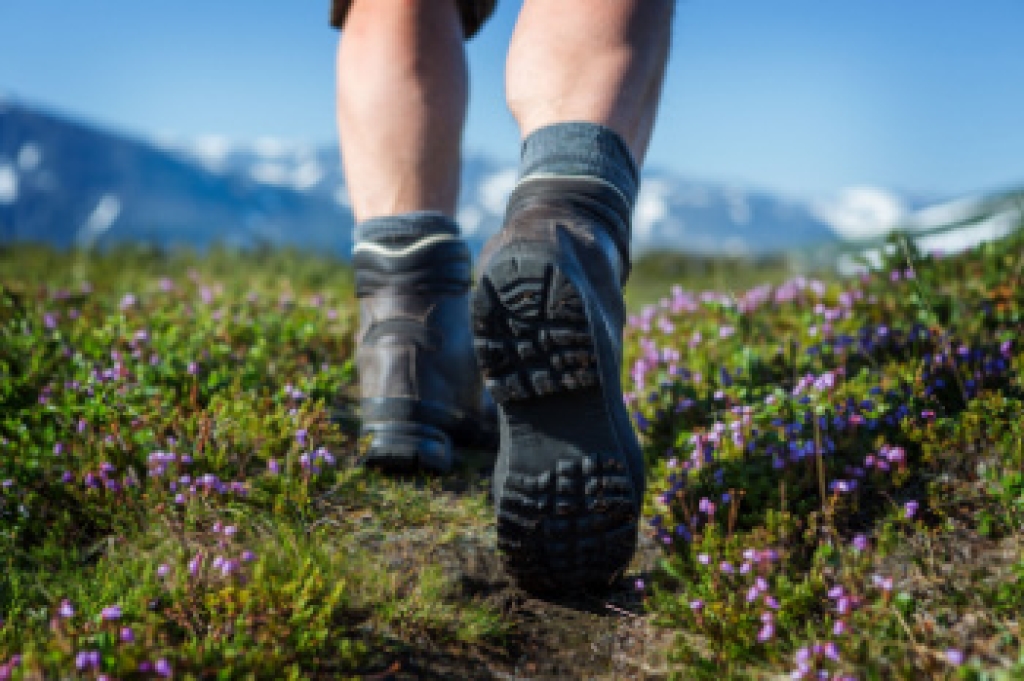
Choosing Hiking Shoes That Protect Your Feet

Choosing the right hiking shoes can make every trail more comfortable, and help reduce foot problems. Hiking shoes support the feet during outdoor activity. Hiking boots provide more ankle coverage and offer added stability on rocky terrain. Symptoms of wearing poor footwear include foot pain, blisters, or sore toes. Risk factors include long hikes, steep trails, and shoes that fit poorly. The right footwear should match your trail and your foot shape.

Hikers may choose lightweight hiking shoes for easier trails or boots for rougher terrain. Look for a secure heel, enough toe room, and a sturdy and flexible sole. Protection matters because rocks and roots can stress the feet. Comfort is important because pressure can worsen during a long hike. Boots that are light weight can reduce fatigue, while breathability helps manage moisture. Try hiking footwear with your socks and walk around before buying.


Wearing the wrong hiking shoes can contribute to blisters, corns, and ankle discomfort. Shoes that squeeze the toes may create pressure and rubbing. Loose footwear can cause sliding and friction. Poor support may increase strain on the arches and heels. To prevent problems, trace your foot when ordering footwear online, and compare the outline with the shoe shape. Try on shoes later in the day when the feet are larger.


If hiking foot pain develops, a podiatrist can examine your feet, review your footwear, and identify the cause. Treatment may include activity changes, protective padding, or custom orthotics, when appropriate. A podiatrist may also treat blisters, corns, or inflammation, and monitor healing when symptoms persist. If you develop foot pain from wearing the wrong shoes while hiking, it is suggested that you consult a podiatrist for an accurate diagnosis and appropriate treatment solutions.

You should always make sure your running shoes fit properly in order to avoid injury. For more information, contact one of our podiatrists from Romeo Foot & Ankle Clinic. Our doctors can provide the care you need to keep you pain-free and on your feet.

Choosing the Right Running Shoe for Your Foot Type

Improper shoe sizing can cause a myriad of problems for your feet. Shoes that don’t fit you properly can lead to muscular imbalances in your body, which can result in foot, knee, and hip injuries.

Tips for Finding the Right Running Shoe

  • Make sure you have a thumb’s width of wiggle room between the end of your longest toe and the front of the shoe.
  • There should be little to no slipping at the heel
  • Don’t assume your size in one shoe brand will be your size in another
  • Do not lace up your shoes too tightly
  • Walk around in the store with your new shoes before you buy them

If you have any questions, please feel free to contact our offices located in Washington and Shelby Townships, MI . We offer the newest diagnostic and treatment technologies for all your foot care needs.

Read more about Differences between Walking and Running Shoes

Common Causes of Blisters on the Feet

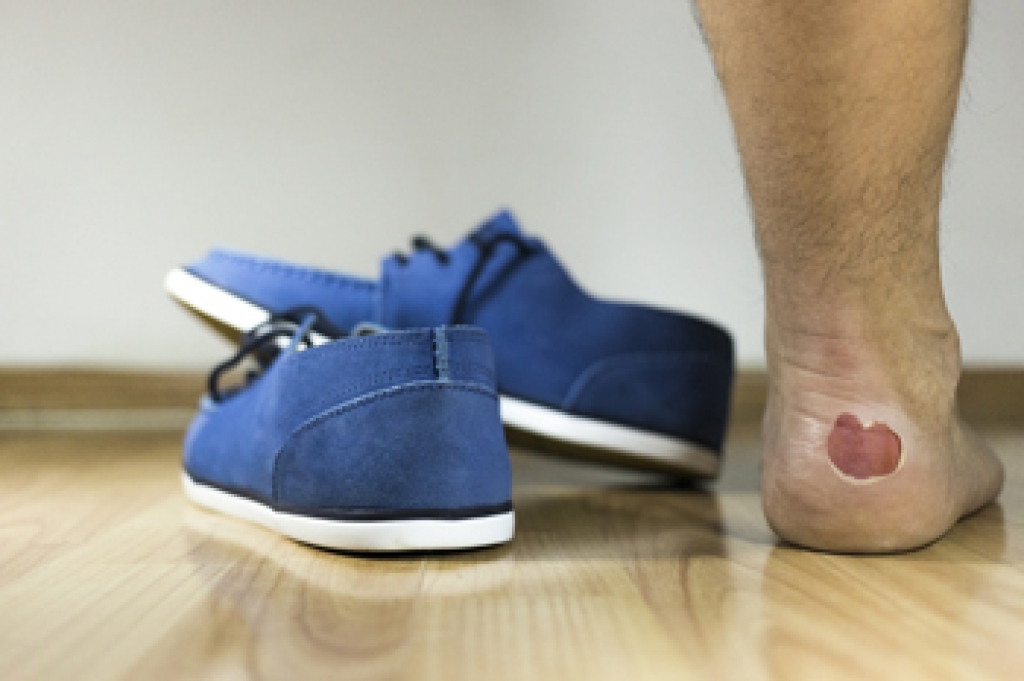
Foot blisters are small, fluid-filled pockets that develop when the skin is damaged or irritated. They commonly appear in areas exposed to repeated rubbing, pressure, or moisture. Symptoms may include tenderness, redness, and a raised area filled with clear fluid. Wearing poorly fitted shoes, increasing activity quickly, or walking for long periods of time can increase the risk. Most blisters heal with protection, but recurring or unusual blisters deserve professional evaluation.

Frostbite is another possible cause of foot blisters and develops when skin and underlying tissues freeze after prolonged exposure to extreme cold. Blisters may appear after the affected area begins warming. Frostbite can also cause numbness, pale or bluish skin, and severe pain. Risk increases with extended cold exposure, wet footwear, and inadequate protection. Frostbite requires prompt medical attention because deeper tissue damage can occur. Do not intentionally pop frostbite blisters.


An allergic reaction can also cause blistering when the skin reacts to an irritating substance or allergen. New footwear materials, adhesives, or topical products may trigger contact dermatitis. Symptoms can include itching, redness, swelling, and small blisters. Fungal infections are another potential cause, particularly when athlete’s foot affects the skin between the toes. Fungal symptoms may include itching, scaling, and fluid-filled areas. Warm, damp environments and sweaty footwear increase infection risk.


A podiatrist can examine the skin, review your footwear and activities, and determine the likely cause of recurring blisters. Treatment may include protecting the area, recommending appropriate footwear, or addressing an allergic trigger. For suspected frostbite, urgent medical evaluation is important. Avoid popping blisters unless specifically directed by a podiatrist, and keep the area clean and protected. If you frequently develop blisters on your feet, it is suggested that you consult a podiatrist for effective relief and prevention tips, an accurate diagnosis and appropriate treatment.

Blisters may appear as a single bubble or in a cluster. They can cause a lot of pain and may be filled with pus, blood, or watery serum. If your feet are hurting, contact one of our podiatrists of Romeo Foot & Ankle Clinic. Our doctors can provide the care you need to keep you pain-free and on your feet.

Foot Blisters

Foot blisters are often the result of friction. This happens due to the constant rubbing from shoes, which can lead to pain.

What Are Foot Blisters?

A foot blister is a small fluid-filled pocket that forms on the upper-most layer of the skin. Blisters are filled with clear fluid and can lead to blood drainage or pus if the area becomes infected.

Symptoms

(Blister symptoms may vary depending on what is causing them)

  • Bubble of skin filled with fluid
  • Redness
  • Moderate to severe pain
  • Itching

Prevention & Treatment

In order to prevent blisters, you should be sure to wear comfortable shoes with socks that cushion your feet and absorb sweat. Breaking a blister open may increase your chances of developing an infection. However, if your blister breaks, you should wash the area with soap and water immediately and then apply a bandage to the affected area. If your blisters cause severe pain it is important that you call your podiatrist right away.

If you have any questions, please feel free to contact our offices located in Washington and Shelby Townships, MI . We offer the newest diagnostic and treatment technologies for all your foot care needs.

Read more about Blisters

Connect With Us

Advanced Podiatric Procedures & Services in the Macomb County, MI: Washington Twp. (Romeo, Almont, Oakland Charter Township, Addison Township, Armada, Lenox, Ray, Lakeville, Leonard, New Haven) and Shelby Twp. (Rochester, Utica, Chesterfield, Sterling Heights, Fraser, Clinton Twp, Mt Clemens, Harrison Twp, Warren, New Baltimore) areas